Explore by topic
A closer look at garments, cultures, and traditions. For a wider view, browse by era or region.
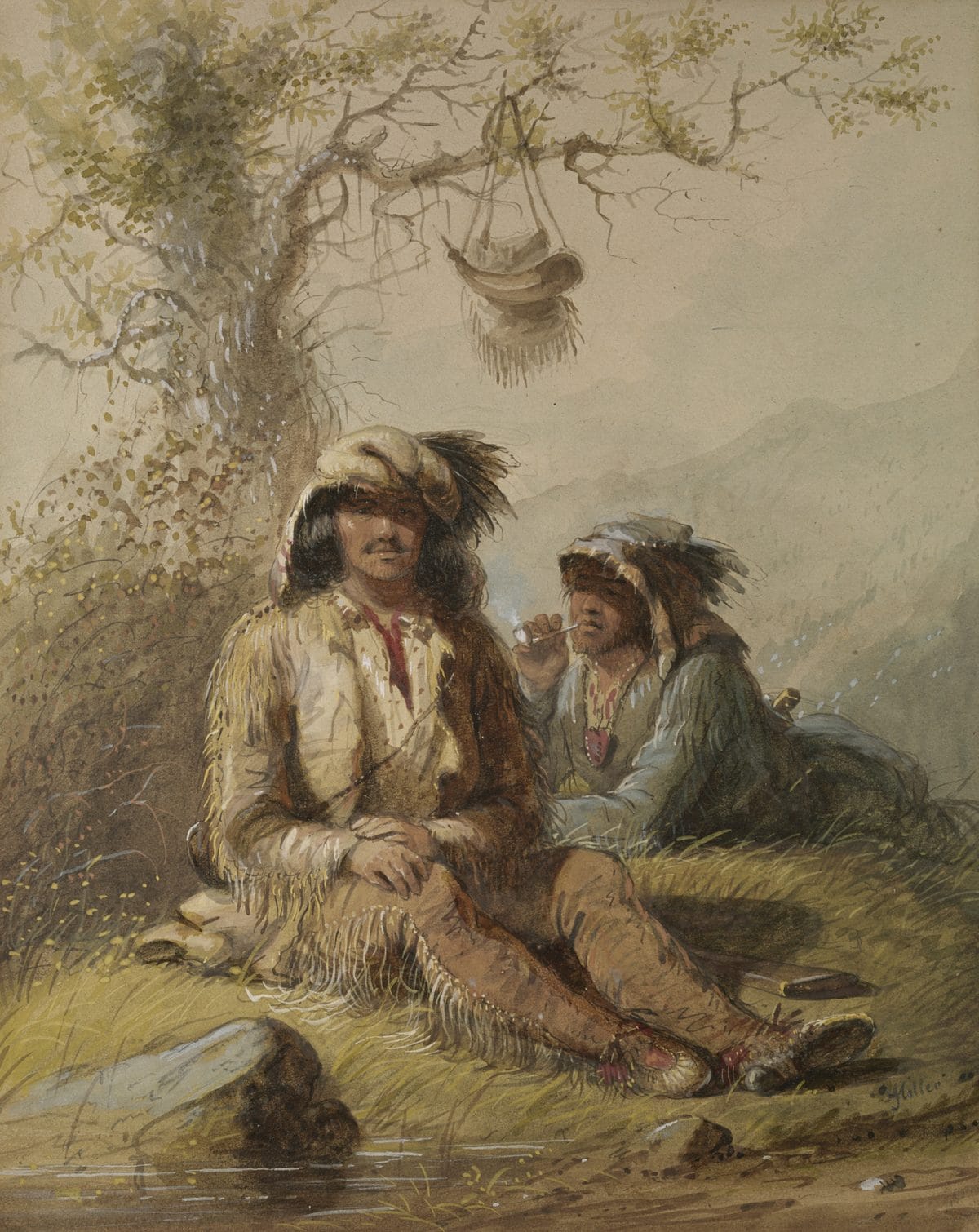 American Frontier Clothing: What Cowboys, Pioneers, and Miners Really WoreAmerican frontier clothing and old West fashion beyond the movies: buckskin and blanket coats of the fur trade, calico and homespun on the pioneer trails, riveted work pants, vaquero-born cowboy gear, and Native trade-cloth dress.
 Ancient Egyptian Clothing: Linen, Kilts, Sheath Dresses, and WigsWhat ancient Egyptians actually wore, from the Tarkhan Dress to Tutankhamun's wardrobe: linen and how it was graded, men's kilts and tunics, women's dresses, priests' leopard skins, workers and children, wigs and sandals, and how tomb art can mislead.
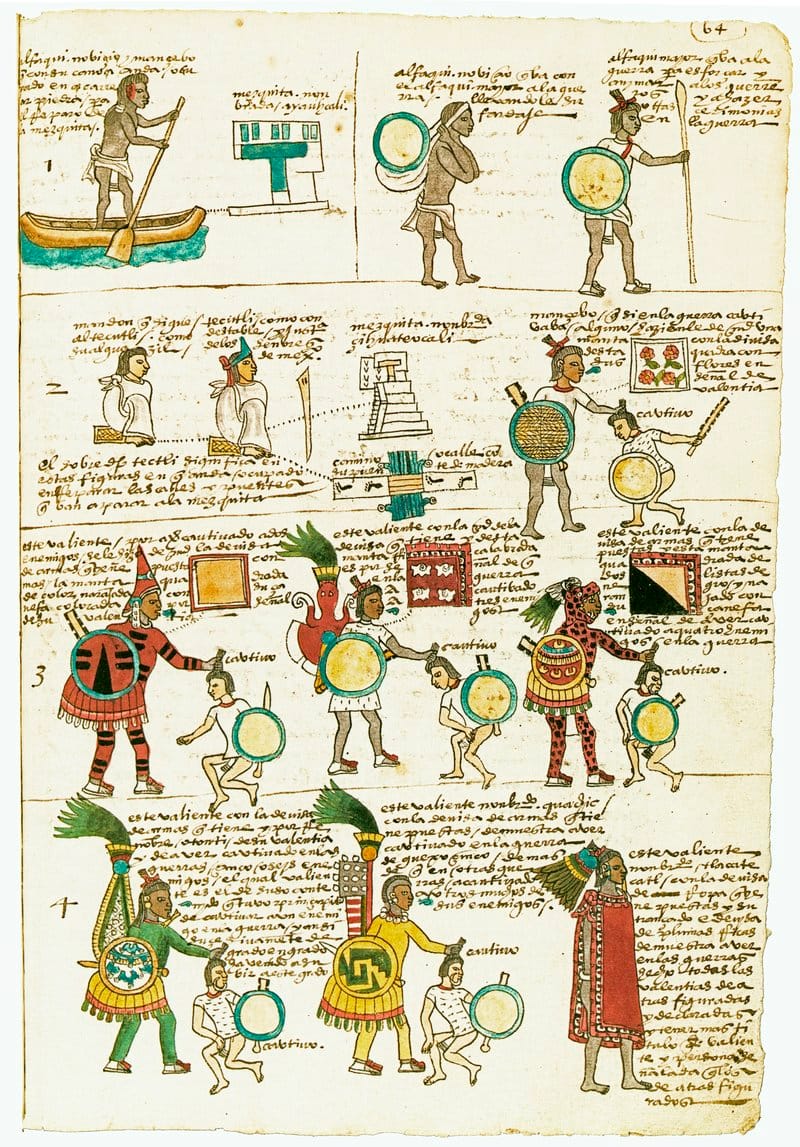 Aztec Clothing: Mexica Dress, Textiles, and Tribute ClothWhat the Mexica wore before and after the Spanish conquest: loincloth and cape for men, blouse and wrapped skirt for women, cotton for the privileged, maguey for the poor, and an empire that collected cloth by the thousand.
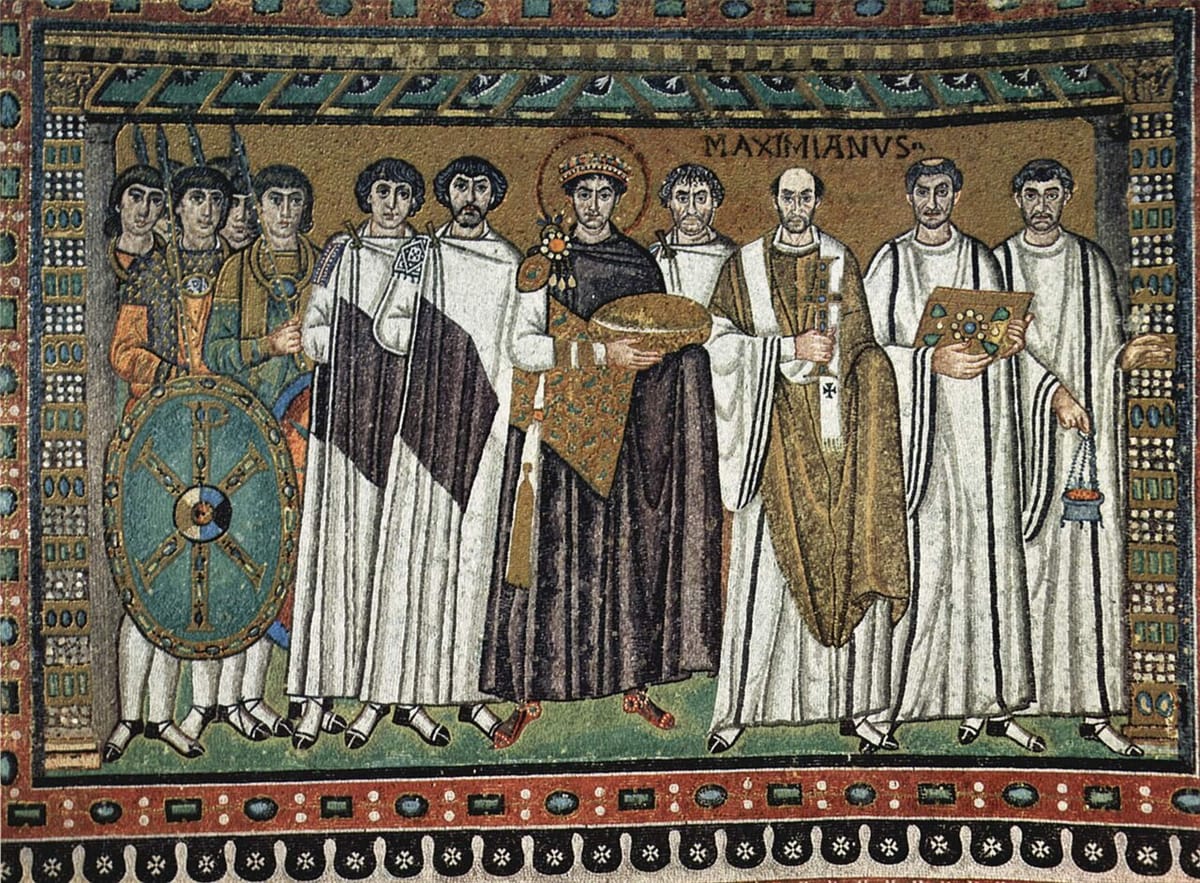 Byzantine Clothing: Court Silk, Imperial Purple, and Everyday DressWhat people wore in the Byzantine Empire from the founding of Constantinople to its fall in 1453: long tunics and mantles for everyone, the chlamys, loros and purple silk of the court, women's layered dress and mantles, and the caftans of the late empire.
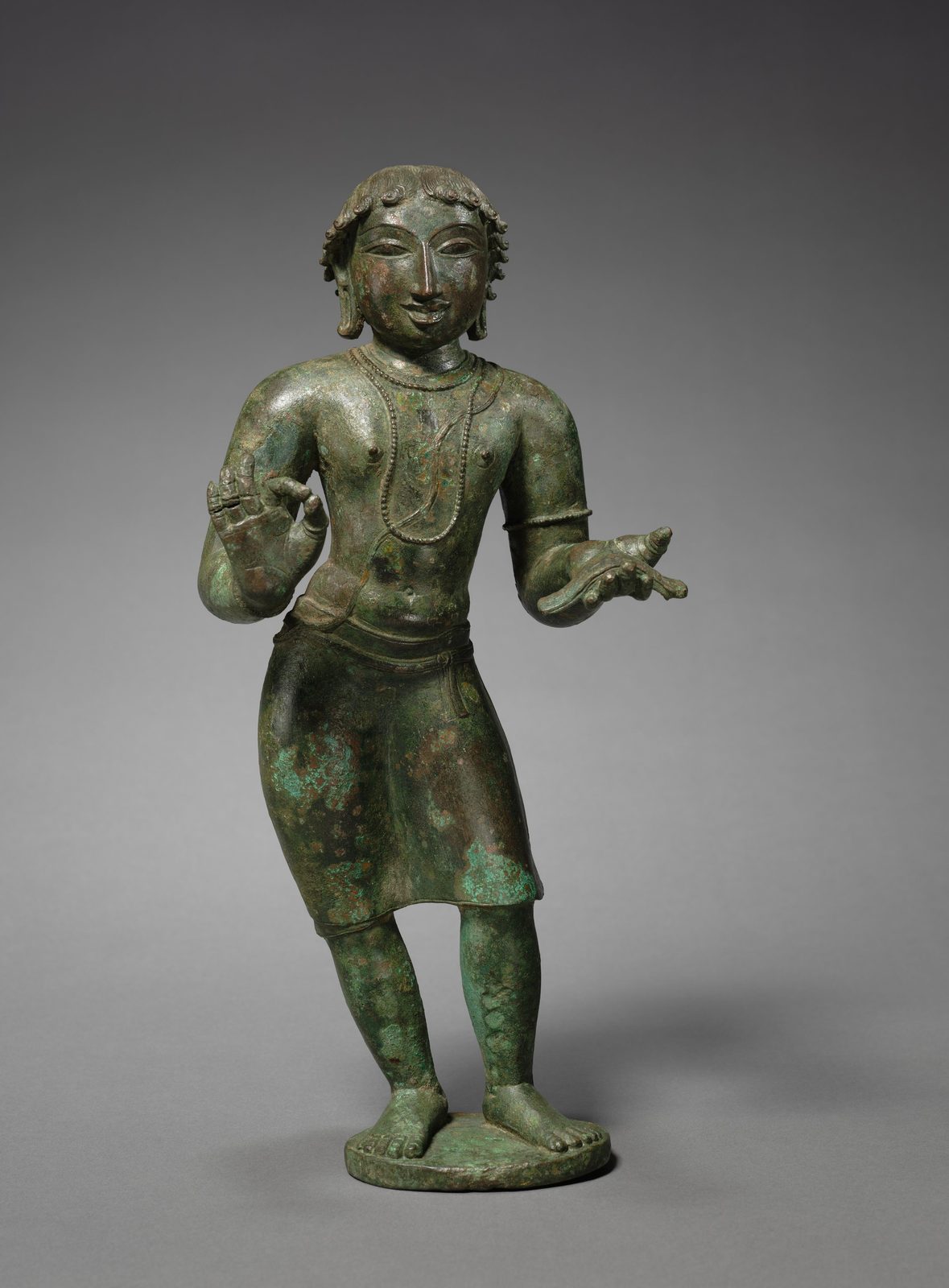 Chola Dynasty Clothing and TextilesHow the Chola empire dressed, reconstructed from temple bronzes, stone sculpture, and thousands of inscriptions — draped unstitched cloth, extraordinary ornament, and a Tamil weaving economy built around the temple.
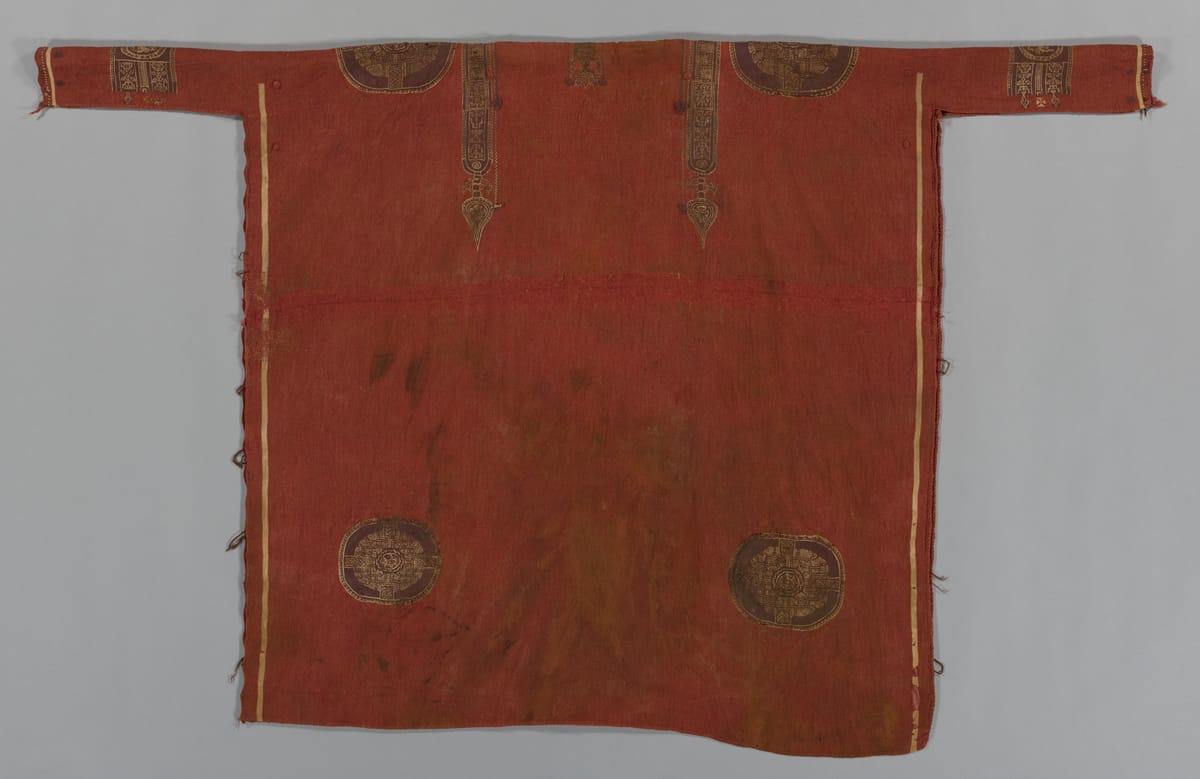 Early Islamic Arab Clothing: Arabia, the Prophet's Era, and the UmayyadsHow Arabs dressed on the eve of Islam and through the seventh and early eighth centuries: wrapped lengths of cloth, turbans and veils, the Prophet's rules on silk and long hems, and the Sasanian and Byzantine court dress taken up by the Umayyad caliphs.
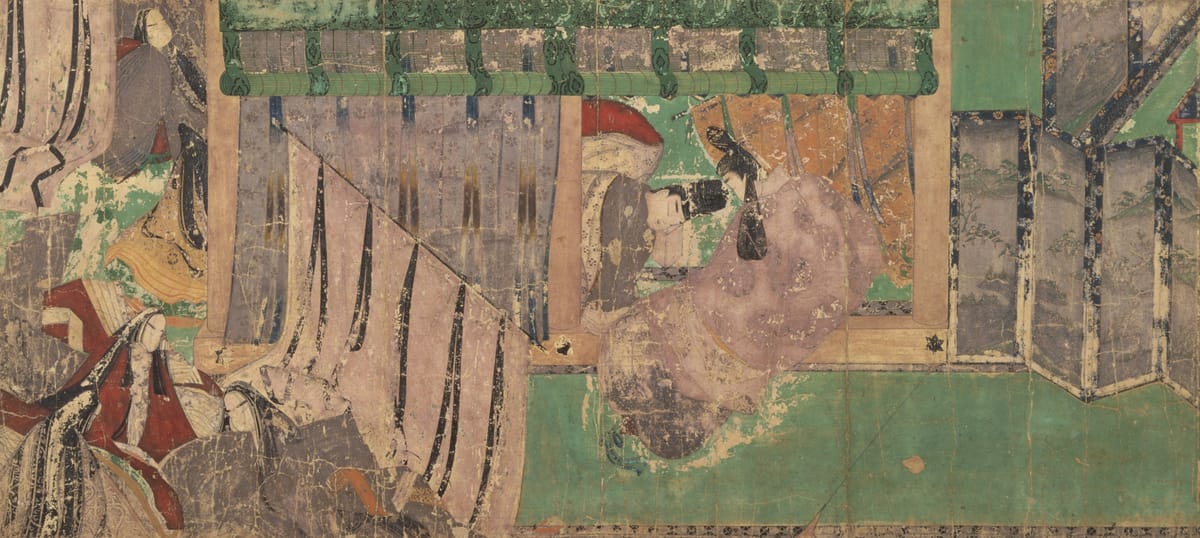 Heian Period Clothing: Court Robes, Junihitoe, and Everyday Dress in Japan, 794–1185How the Heian court in Kyoto turned Tang-style official dress into wide-sleeved layered robes: women's karaginu and mo over colored uchiki, men's sokutai and everyday nōshi, commoners' hemp kosode, and what the sources really say about the 'twelve layers.'
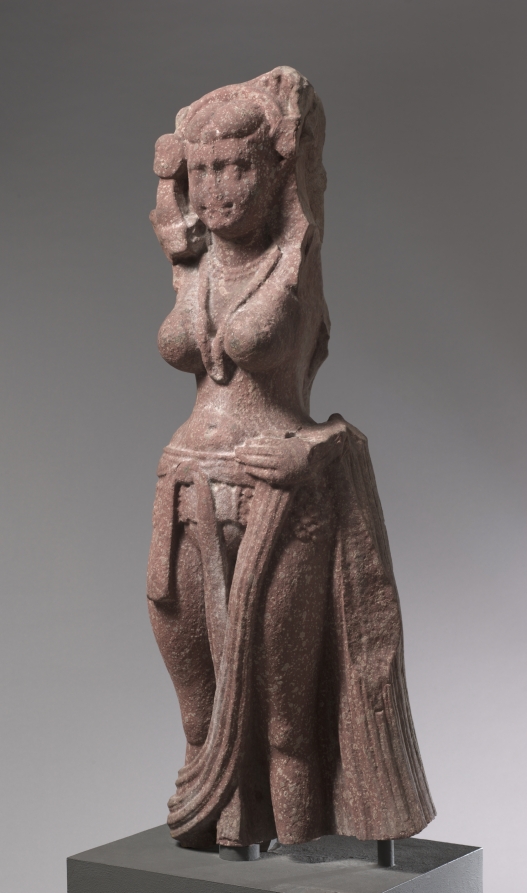 History of the Sari: From Ancient Drapes to the Modern SareeHow a wrapped length of unstitched cloth became South Asia's most typical women's dress: ancient lower and upper wrappers, regional drapes and weaves, the colonial-era blouse and petticoat, khadi politics, and the sari today.
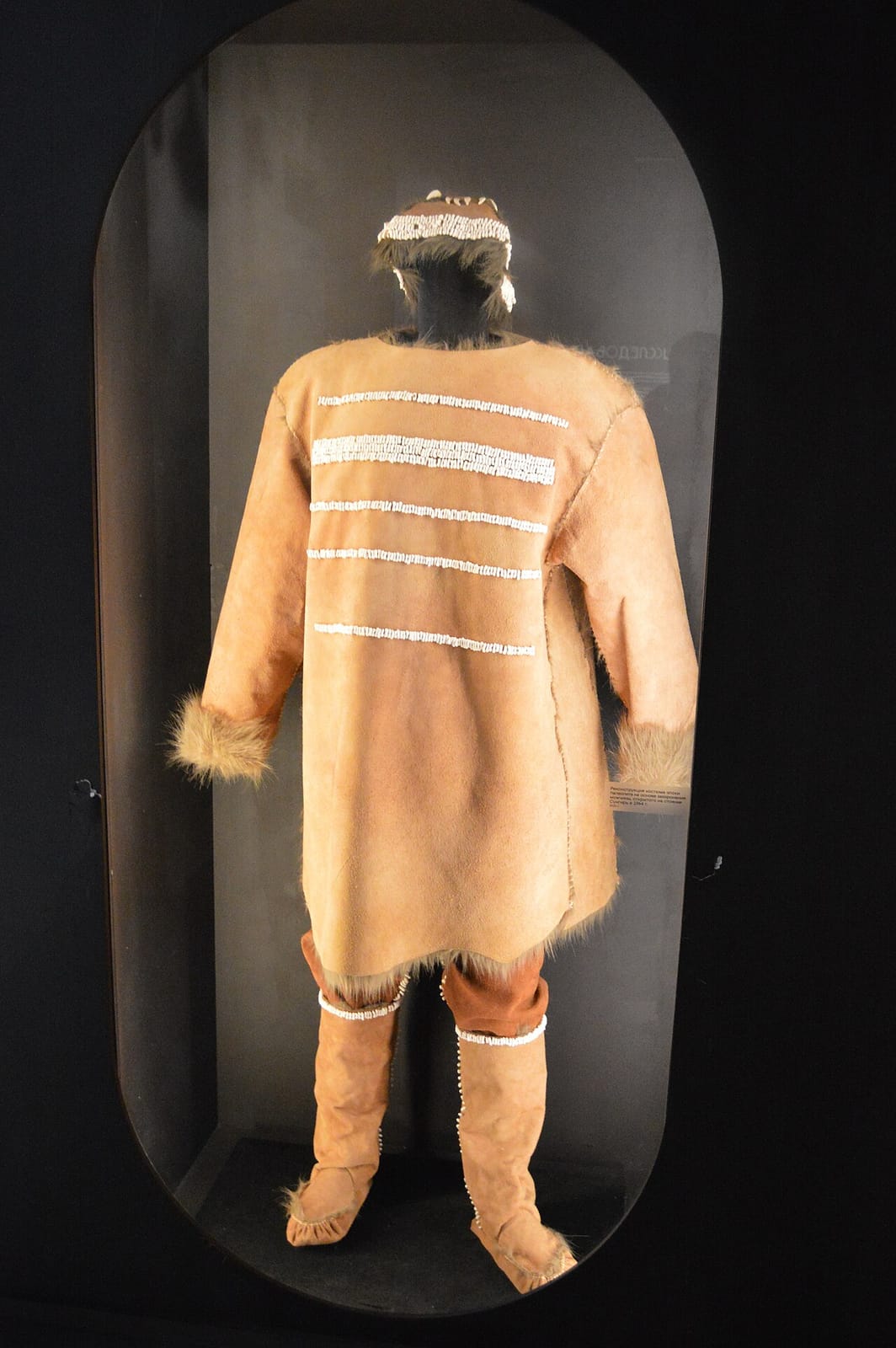 Ice Age Clothing: What Paleolithic People Really WoreWhat Upper Paleolithic people in Ice Age Europe actually wore, as reconstructed from eyed needles, the beaded Sunghir burials, textile impressions in clay, and carved figurines.
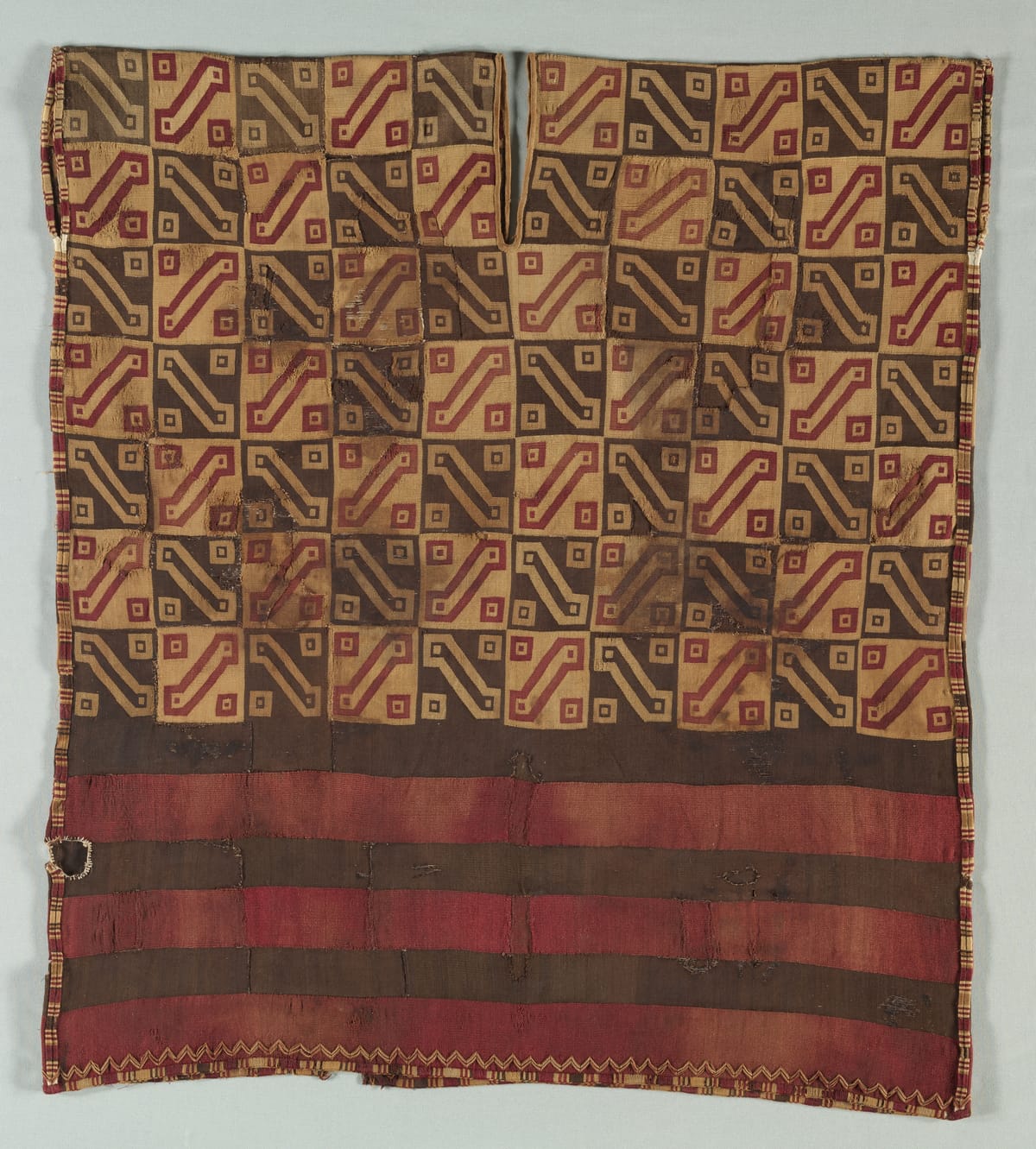 Inca Clothing and TextilesHow people dressed in the Inca Empire — tunics and wrap dresses of camelid fiber and cotton, fine tapestry cloth woven for the state, tocapu designs controlled by the ruler, and the survival of Inca weaving after the Spanish conquest.
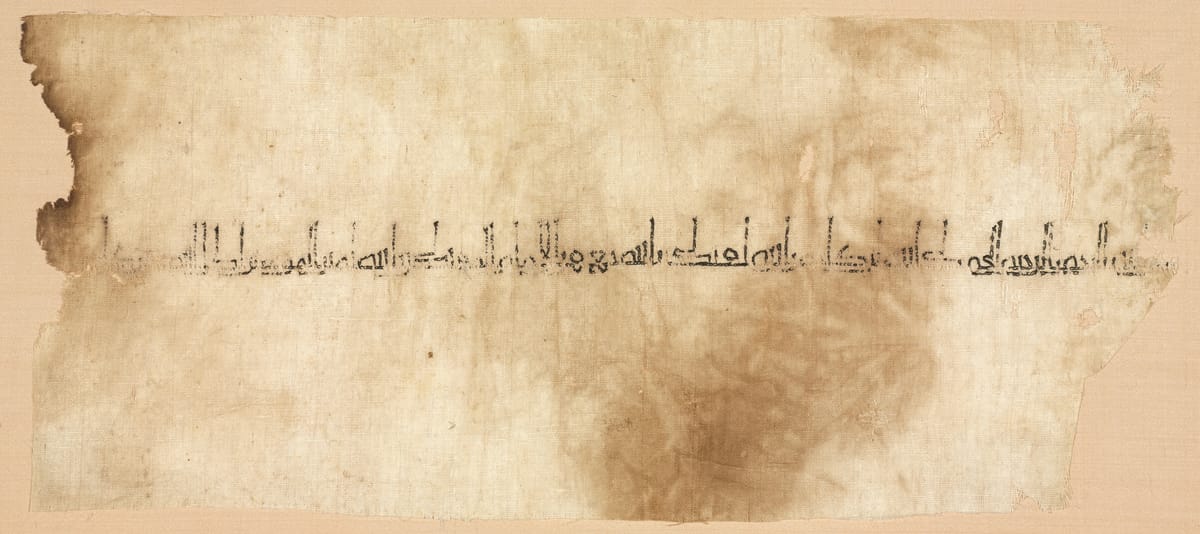 Islamic Golden Age Clothing: Abbasid Black, Tiraz, and Robes of HonorHow people dressed in the Abbasid caliphate and its rivals from 750 to 1258, from the black robes and tall caps of the Baghdad court and the inscribed tiraz of caliphal workshops to the caftans of Samarra, the linens of Fatimid Egypt, and the dress rules imposed on non-Muslims.
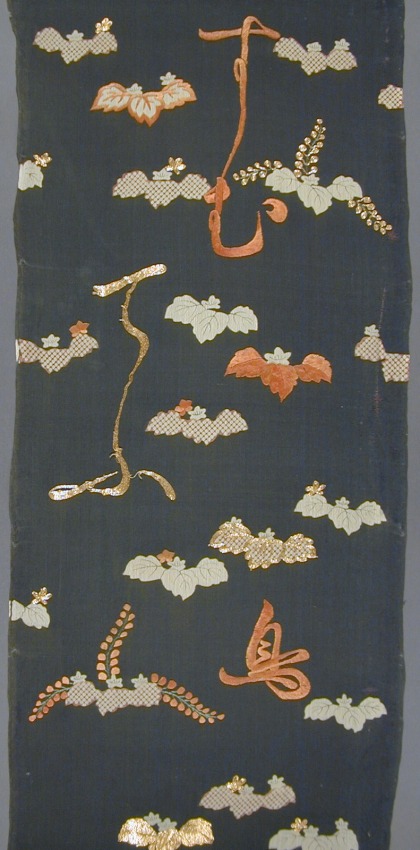 Kimono History: From Kosode to Modern Japanese DressHow the kosode became the kimono: straight-seamed construction, changing sleeves and obi, Edo textile fashions, and the garment's modern role in Japanese life.
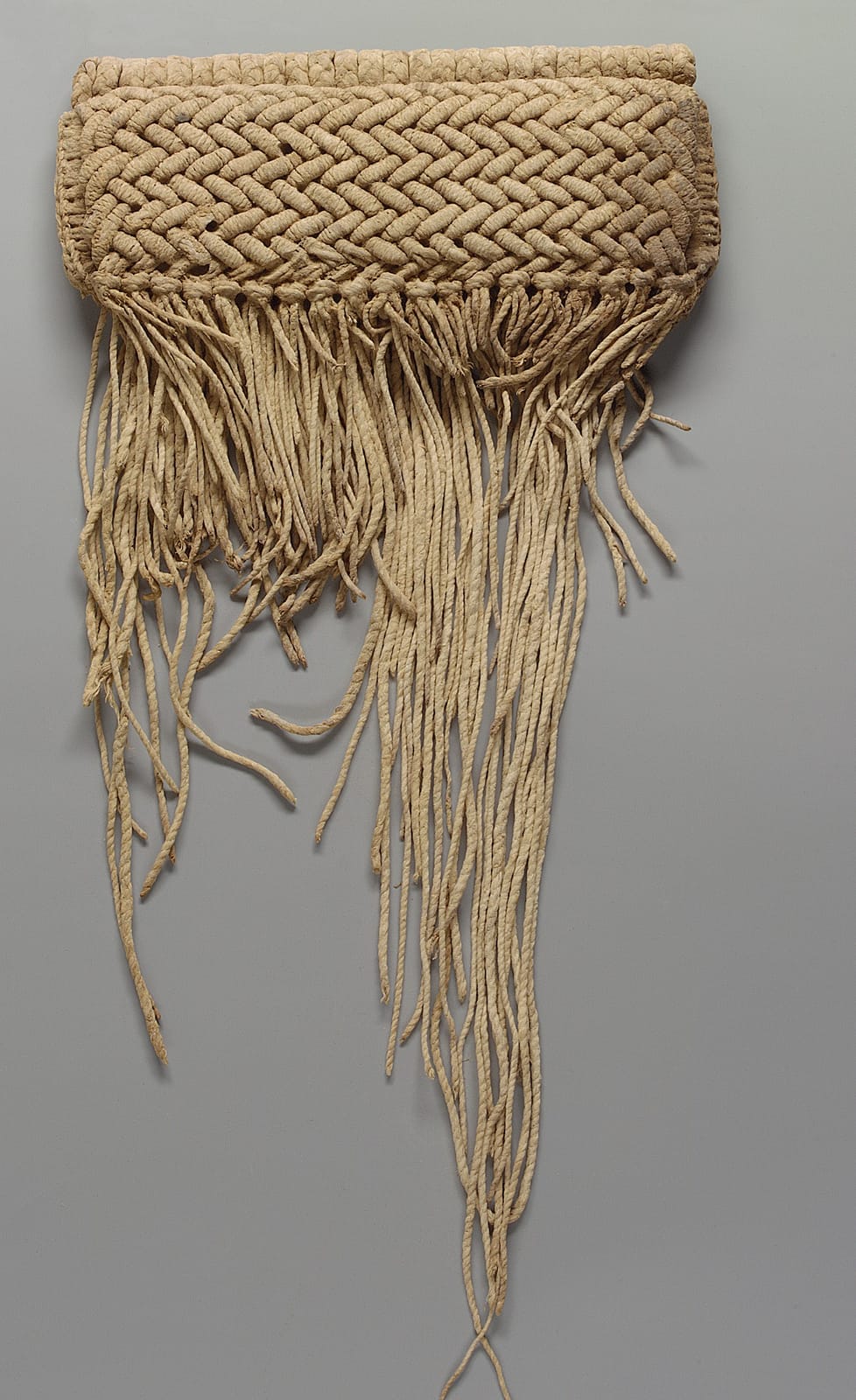 Mali Empire Clothing and Medieval West African DressHow people dressed in West Africa under Ghana, Mali, and Songhay, from the eleventh-century Tellem cave textiles to Ibn Battuta's account of the Mali court and the cloth markets of Timbuktu.
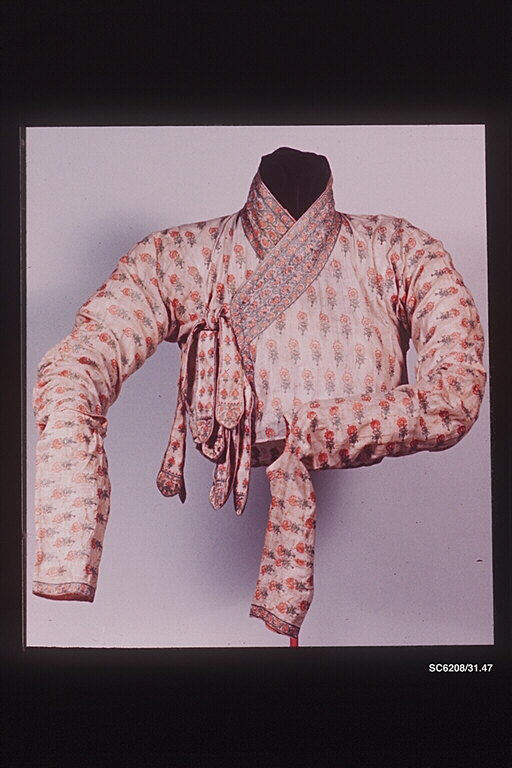 Mughal Clothing: Court Dress in Mughal India, 1526–1800How the Mughal court dressed, from Babur's Central Asian coats to the muslin jama, the patka sash, Akbar's wardrobe regulations, robes of honor, women's dress, and Kashmir shawls.
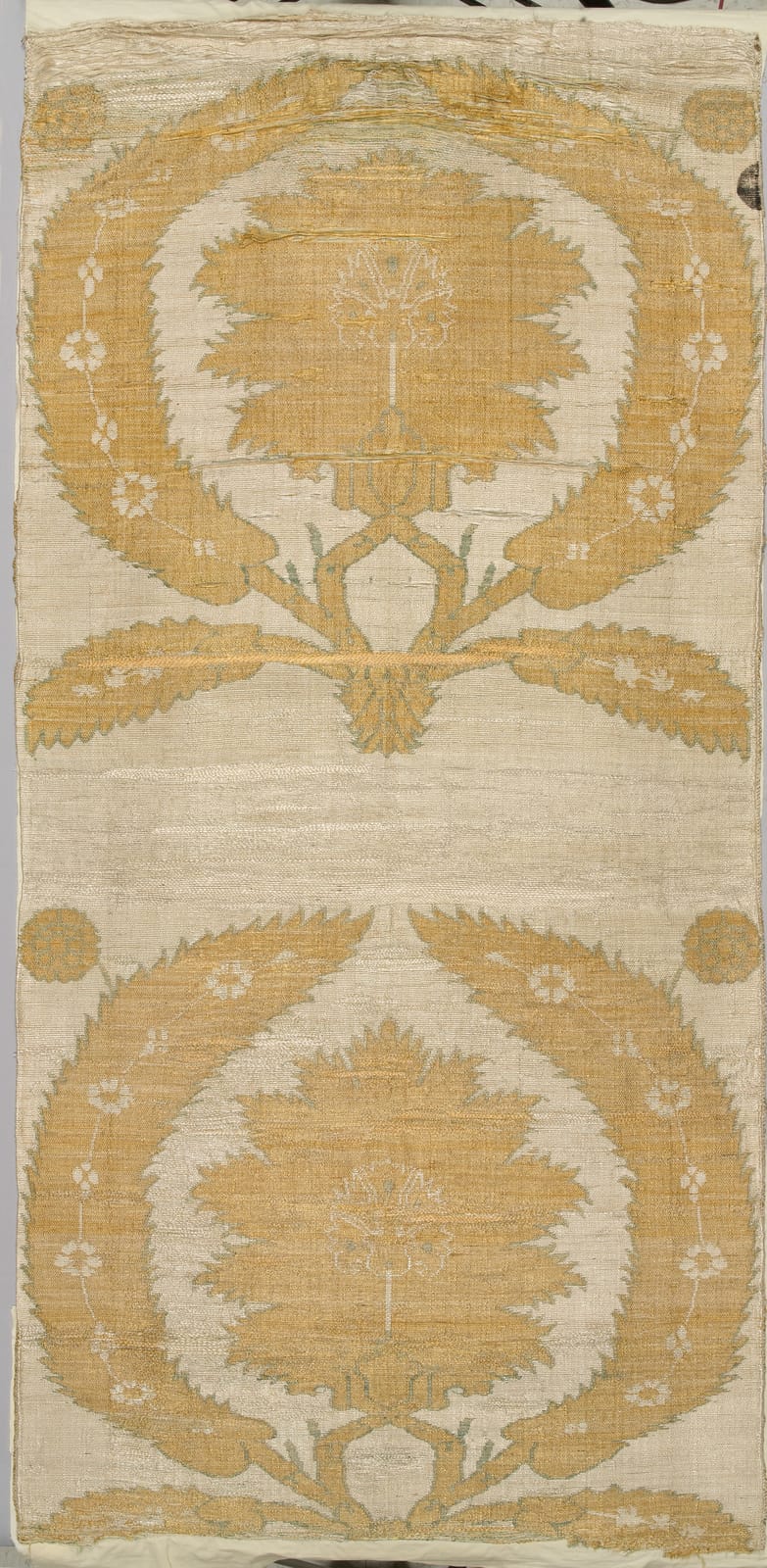 Ottoman Clothing: From Court Kaftans to the Fez and StamboulineHow Ottoman dress moved from layered silk kaftans and rank-coded turbans at the Topkapı court to the fez and black frock coat imposed on officials by Mahmud II's reforms of the late 1820s.
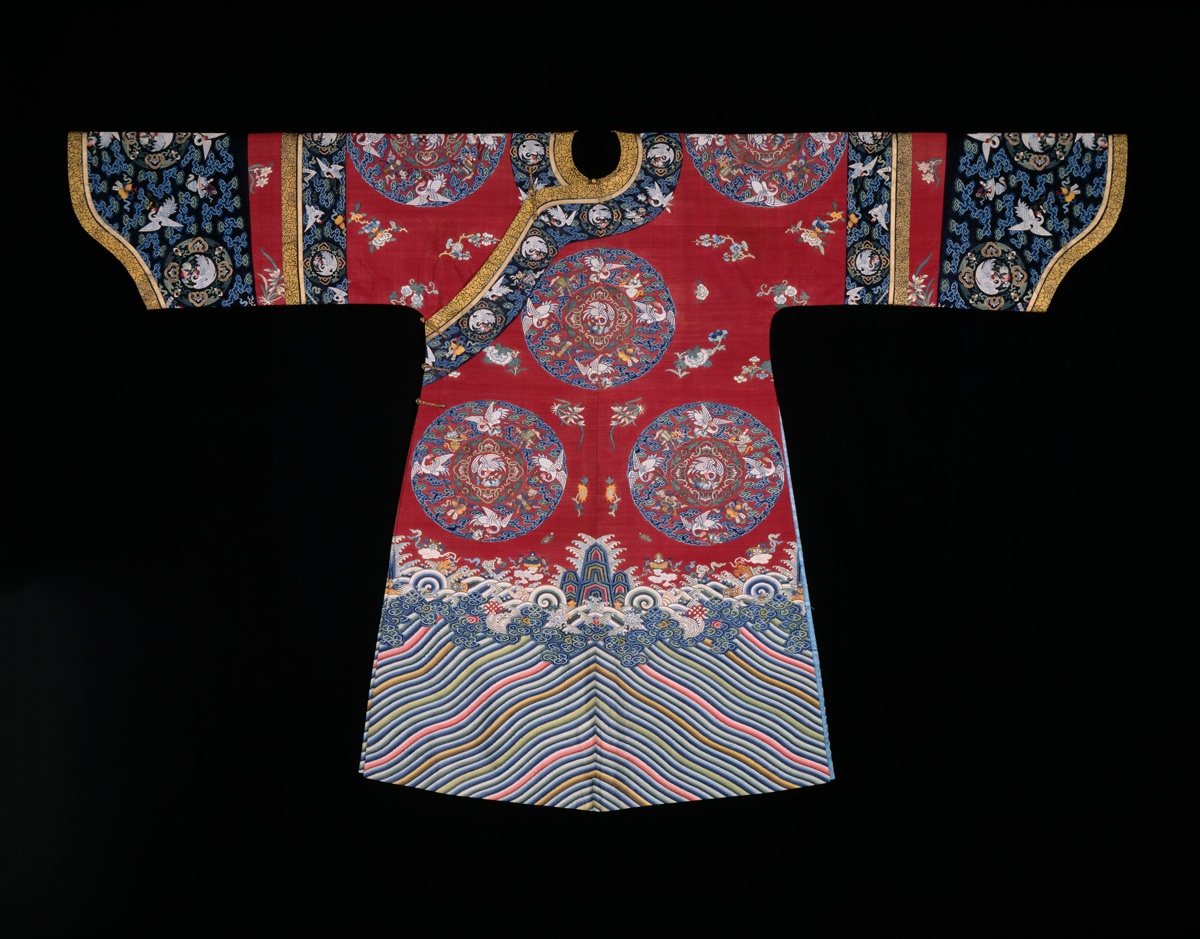 Qipao History: From Manchu Banner Gown to Modern CheongsamHow the qipao, or cheongsam, took shape in 1920s Shanghai from older Qing-era gowns, grew slimmer and more fitted through the 1930s and 1940s, moved with tailors to Hong Kong after 1949, and returned as a symbol of Chinese identity.
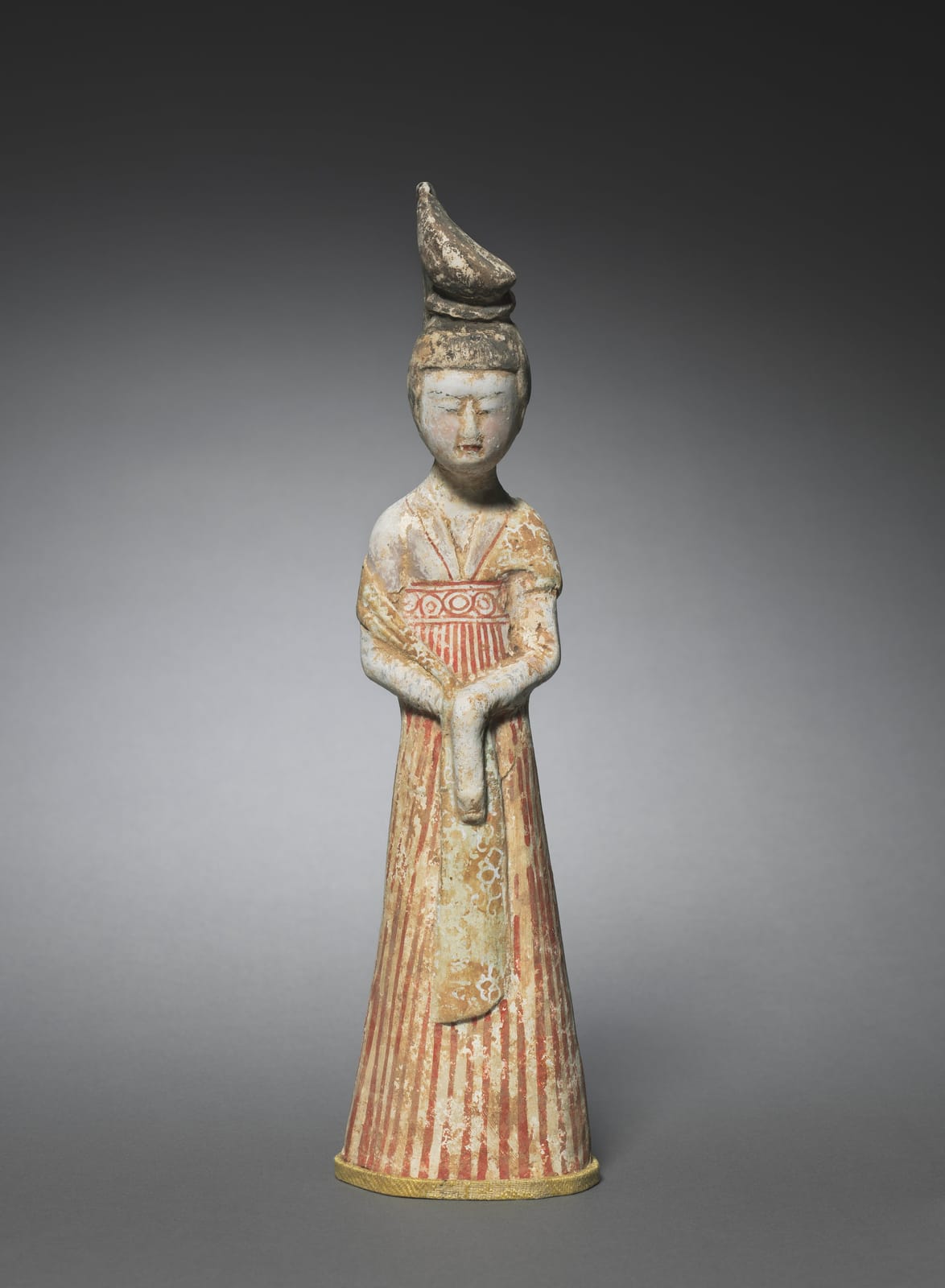 Tang Dynasty Clothing: Ruqun, Riding Dress, and Silk Road FashionWhat people wore in Tang China (618–907): the short jacket, high-waisted skirt, and shawl of court women, the steppe riding dress that elite men and women adopted, veils giving way to foreign hats, official rank colors, and the silks that tied fashion to the empire.
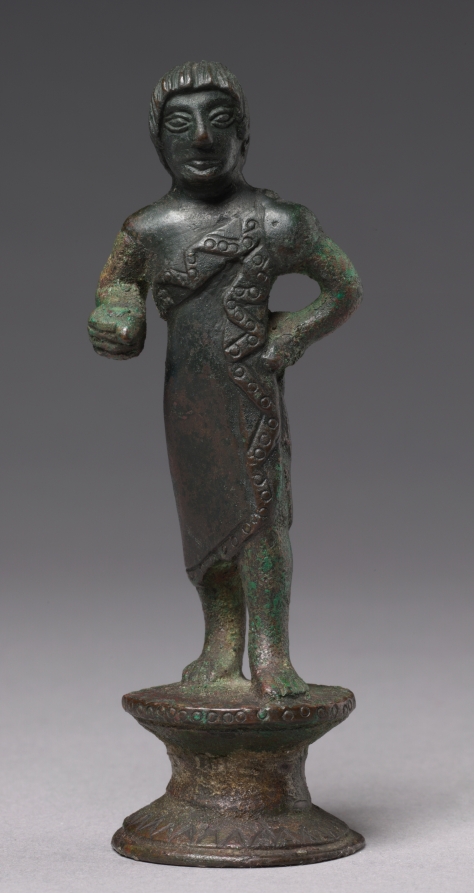 The Roman Toga: Who Wore It, What It Meant, and How It EndedHow a woolen mantle with Etruscan roots became the mark of the Roman citizen, what its colors and borders signaled, why it was hard to wear, and how it faded into a ceremonial garment by the fifth century CE.
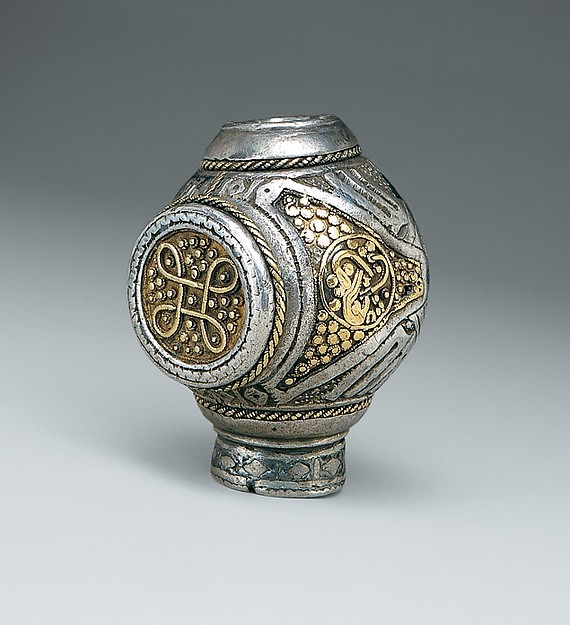 Viking Clothing: What Vikings Wore, and How We KnowWhat people in Viking Age Scandinavia wore, about 800 to 1050 CE: wool and linen tunics, trousers and cloaks for men, strap dresses held by oval brooches for women, imported silk for the rich, and colors far brighter than the myth suggests.
 When Were Clothes Invented? The Evidence for the First ClothingWhen were clothes invented, and who invented them? No single person did: lice genetics and hide-working tools point to clothing at least 83,000 and possibly 170,000 years ago, eyed needles are about 40,000 years old, and the oldest surviving woven garment only about 5,000.