The History of Clothing
What people wore, why it mattered, and how we know. Explore dress across six world regions, from the first sewn hides to the present.
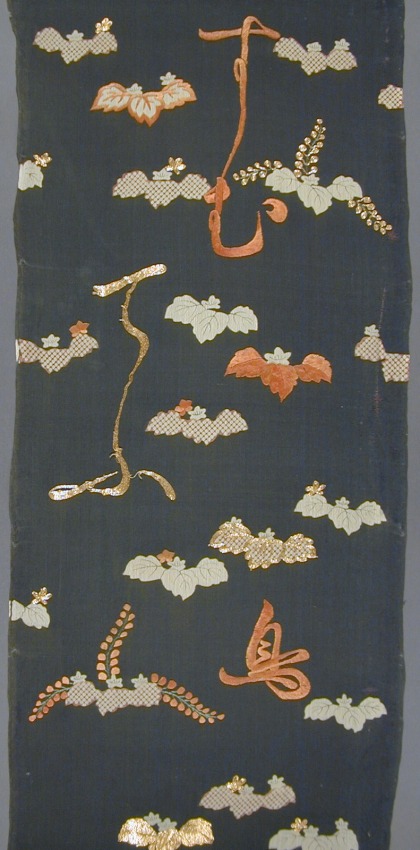
Late 18th century. LACMA. Image source, public domain.

Start here
Three ways into the story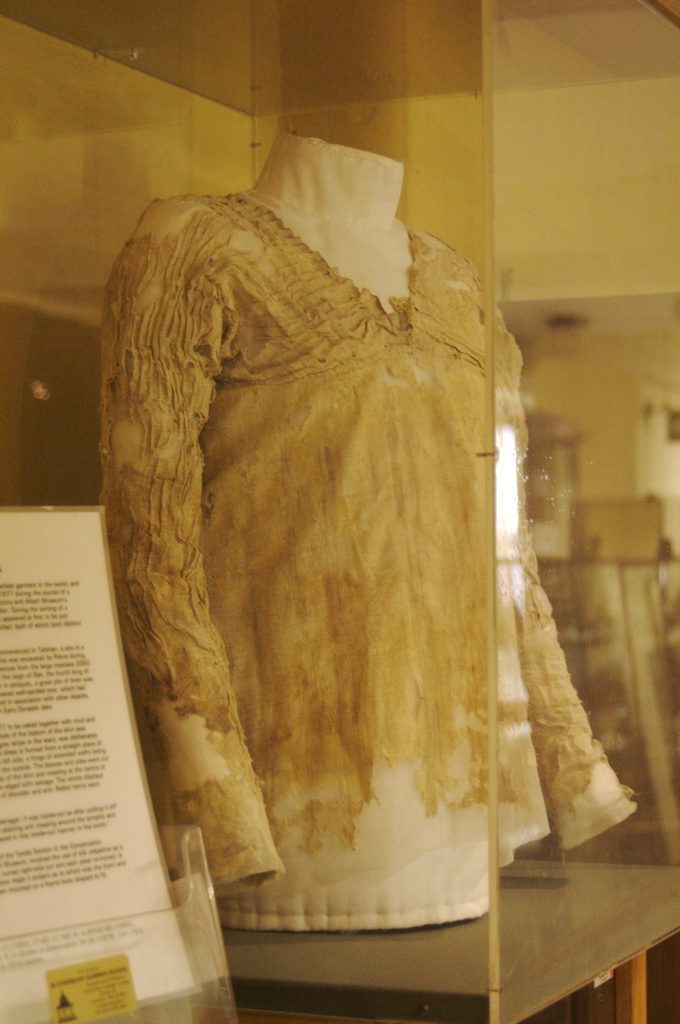
When Were Clothes Invented? The Evidence for the First Clothing
When were clothes invented, and who invented them? No single person did: lice genetics and hide-working tools point to clothing at least 83,000 and possibly 170,000 years ago, eyed needles are about 40,000 years old, and the oldest surviving woven garment only about 5,000.
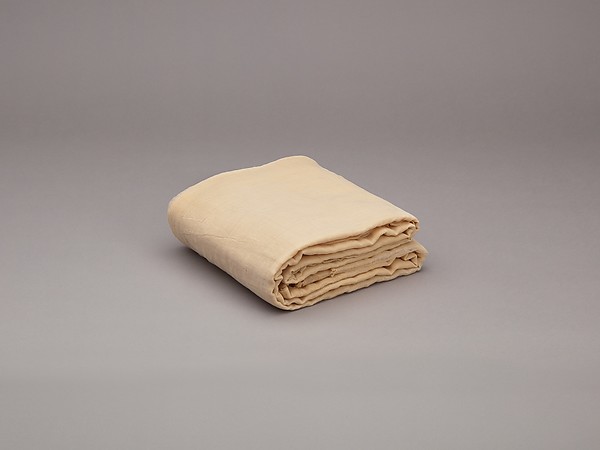
Ancient Egyptian Clothing: Linen, Kilts, Sheath Dresses, and Wigs
What ancient Egyptians actually wore, from the Tarkhan Dress to Tutankhamun's wardrobe: linen and how it was graded, men's kilts and tunics, women's dresses, priests' leopard skins, workers and children, wigs and sandals, and how tomb art can mislead.
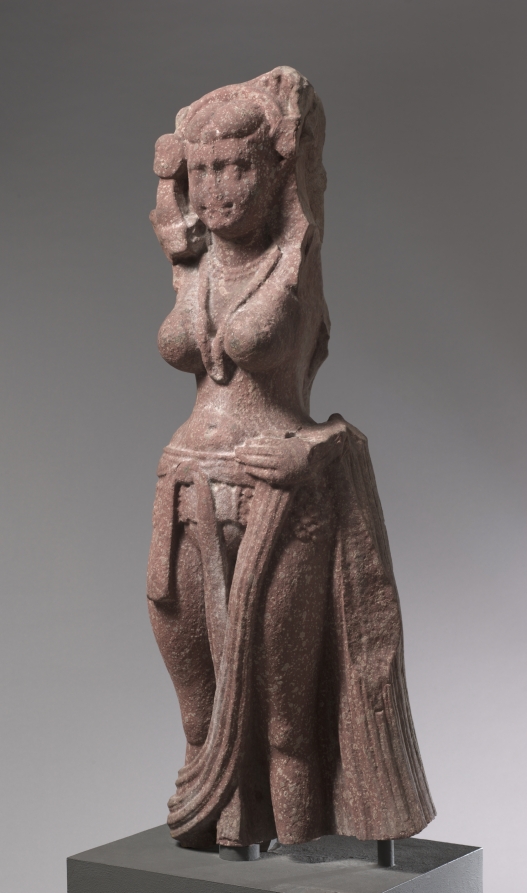
History of the Sari: From Ancient Drapes to the Modern Saree
How a wrapped length of unstitched cloth became South Asia's most typical women's dress: ancient lower and upper wrappers, regional drapes and weaves, the colonial-era blouse and petticoat, khadi politics, and the sari today.
A history of clothing and textiles
The story begins before surviving garments. Evidence for early clothing comes from tools, fibers, and clothing lice. These forms of evidence are indirect, and researchers distinguish the beginning of clothing use from later fine sewing and decoration.Sources: Origin of Clothing Lice Indicates Early Clothing Use by Anatomically Modern Humans in Africa; Paleolithic eyed needles and the evolution of dress; A worked bone assemblage from 120,000–90,000 year old deposits at Contrebandiers Cave, Atlantic Coast, Morocco.
Clothing history follows both garments and the materials behind them: linen, wool, cotton, silk, and synthetic fibers. The history of clothing timeline connects early sewing and weaving with textile trade, industrial machines, and modern fashion. Compare the regional histories below to see how these changes unfolded in different places.
Sources: V&A: Indian textiles and trade; American Chemical Society: nylon.Explore regional clothing histories
Europe
Explore European clothing from prehistoric hides and ancient Greek and Roman dress to medieval tailoring, industrial textiles, and modern fashion.
East Asia
Explore East Asian clothing history across China, Japan, and Korea: ancient robes, Tang and Heian dress, kimono, hanbok, and modern fashion.
South Asia
Explore South Asian clothing and textile history, from ancient Indian dress to Chola and Mughal clothing, sari traditions, and modern fashion.
Middle East & North Africa
Explore Middle Eastern and North African clothing, from Mesopotamia, Egypt, and Persia to medieval Islamic dress, Ottoman clothing, and modern styles.
Sub-Saharan Africa
Explore sub-Saharan African clothing and textiles across six periods, including medieval West Africa, Mali Empire dress, weaving, and modern styles.
The Americas
Explore clothing in the Americas, from early textiles and Maya, Aztec, and Inca dress to colonial clothing, frontier workwear, and modern fashion.
The collection
Every era, every regionPrehistoric Before 3000 BCE
Europe East Asia South Asia Middle East & North Africa Sub-Saharan Africa The AmericasAncient 3000 BCE - 500 CE
Europe East Asia South Asia Middle East & North Africa Sub-Saharan Africa The AmericasMedieval 500 - 1500 CE
Europe East Asia South Asia Middle East & North Africa Sub-Saharan Africa The AmericasEarly Modern 1500 - 1800
Europe East Asia South Asia Middle East & North Africa Sub-Saharan Africa The Americas19th Century 1800 - 1900
Europe East Asia South Asia Middle East & North Africa Sub-Saharan Africa The AmericasModern 1900 - Present
Europe East Asia South Asia Middle East & North Africa Sub-Saharan Africa The AmericasRecently updated
Browse all topics →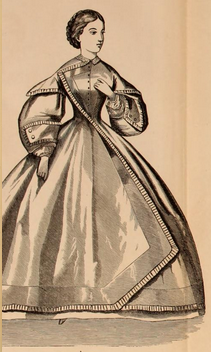 19th Century Americas ClothingFrom frontier buckskin to department store ready-to-wear, the 19th-century Americas saw clothing evolve alongside westward expansion, industrialization, and the forging of new national identities.
Ancient Egyptian Clothing: Linen, Kilts, Sheath Dresses, and WigsWhat ancient Egyptians actually wore, from the Tarkhan Dress to Tutankhamun's wardrobe: linen and how it was graded, men's kilts and tunics, women's dresses, priests' leopard skins, workers and children, wigs and sandals, and how tomb art can mislead.
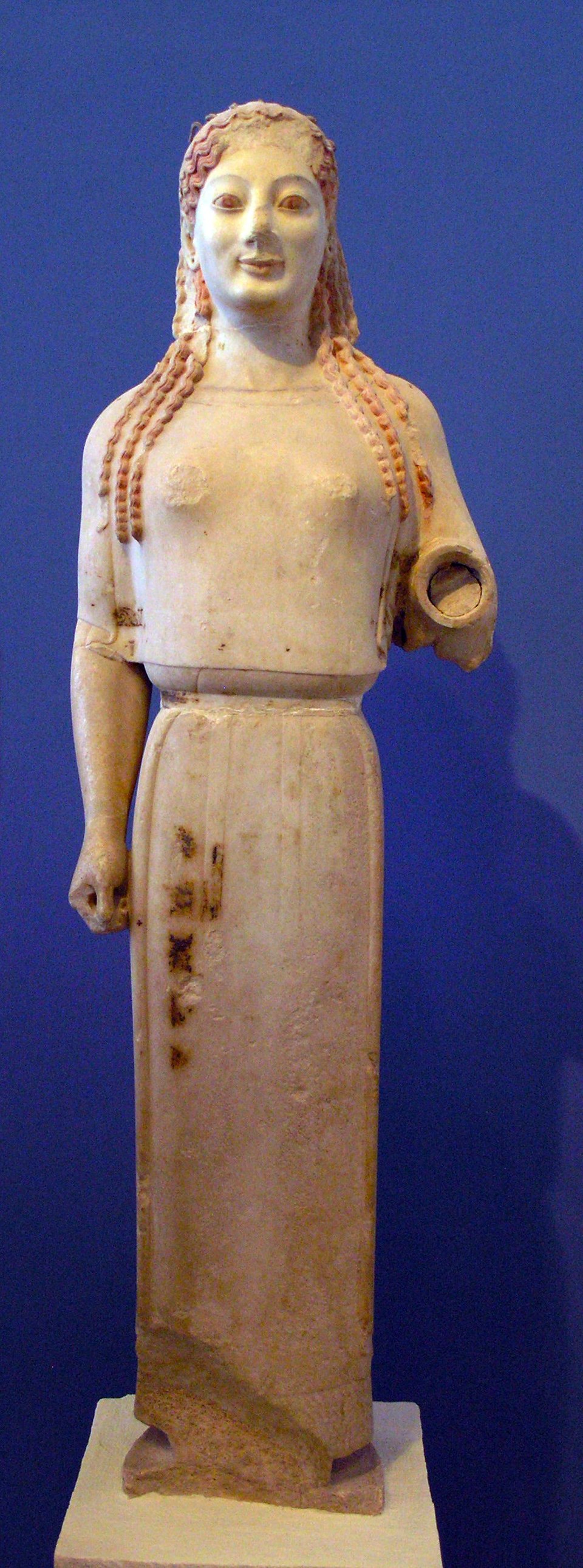 Ancient Greek Clothing: Chiton, Peplos, Himation, and ChlamysA guide to ancient Greek garments, their construction and color, and the limits of learning about dress from sculpture and vase painting.
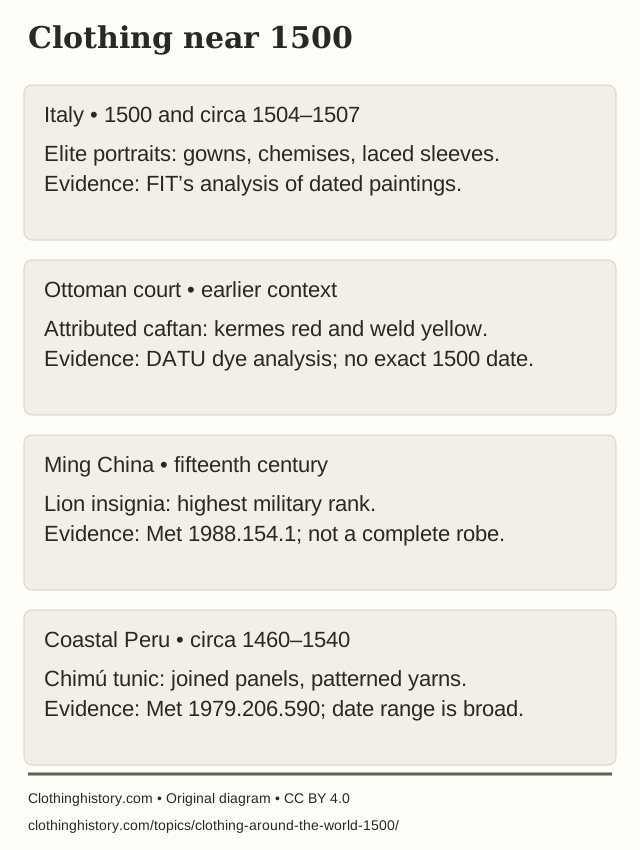 Clothing Around the World circa 1500Four selected comparisons near 1500: a portrait, a court garment analysis, a rank badge, and a surviving tunic. Follow what each kind of evidence can tell us.