East Asian Clothing History: China, Japan & Korea
Explore East Asian clothing history across China, Japan, and Korea: ancient robes, Tang and Heian dress, kimono, hanbok, and modern fashion.
Compare Chinese, Japanese, and Korean clothing across six periods. Each survey distinguishes local traditions, court dress, everyday garments, and changes over time. East Asian clothing is a broad category: choose a period for a comparison, or a topic guide for a closer look at a particular dynasty or garment.
Start with the ancient or medieval comparisons, then explore Tang dynasty dress, Heian court clothing, kimono history, or the modern qipao.
Sources: The Development of Korea's Traditional Clothing Culture - 1; Hanbok: traditional Korean dress; Kimono.East Asia through time
Prehistoric East Asian Clothing
Before 3000 BCE
Explore prehistoric East Asian clothing through early silk evidence, plant-fiber textiles, bone needles, and ornaments, with a distinction between surviving objects and archaeological interpretations.
Ancient East Asian Clothing
3000 BCE - 500 CE
What people wore in ancient China, Korea, and Japan — silk, cross-collared robes, Han dynasty dress, Goguryeo tomb murals, and the symbolic dress traditions that shaped East Asian clothing for millennia.
Medieval East Asian Clothing
500 - 1500 CE
What people wore in medieval China, Japan, and Korea — Tang and Song silks, Mongol cloth of gold, Heian court robes and samurai dress, Goryeo hanbok, and the color-by-rank rules that governed them.
Early Modern East Asian Clothing
1500 - 1800
The Ming and Qing dynasties, Edo-period Japan, and Joseon Korea each codified distinctive national dress traditions that endure as cultural symbols today.
19th Century East Asian Clothing
1800 - 1900
Confronted by Western imperial pressure, East Asian nations navigated a turbulent century in which traditional dress became entangled with questions of modernization and national identity — from Meiji Japan's Western uniforms to Qing dragon robes and the Korean hanbok.
Modern East Asian Clothing
1900 - Present
East Asian fashion in the modern era evolved from revolutionary uniforms and the modern qipao to become a global force in streetwear and avant-garde design.
Garments, cultures, and traditions
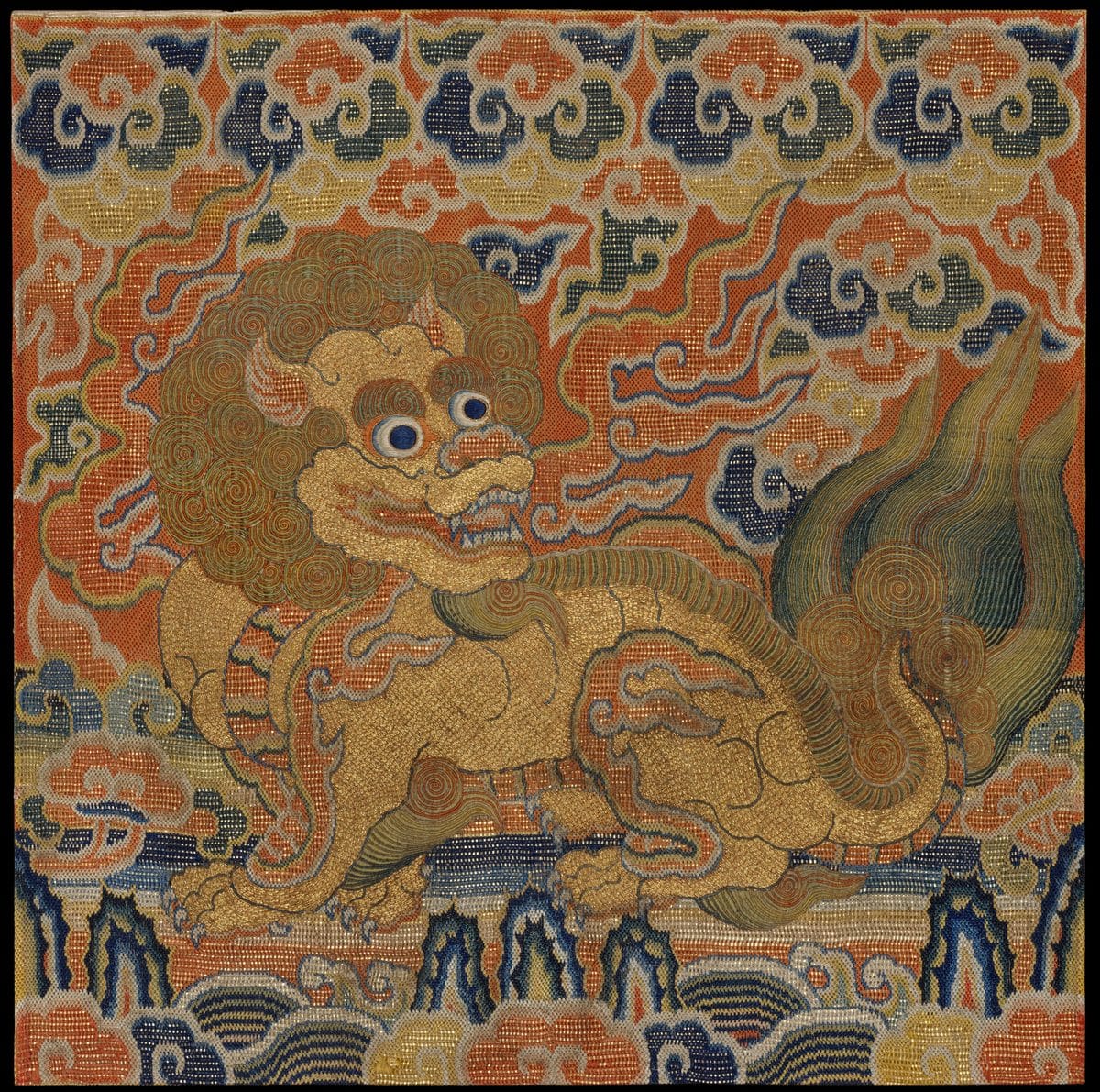 Chinese Rank Badges: Reading Ming and Qing Official ClothingA guide to the square insignia on Chinese officials' clothing, using dated museum objects to explain materials, placement, and changing rank symbols.
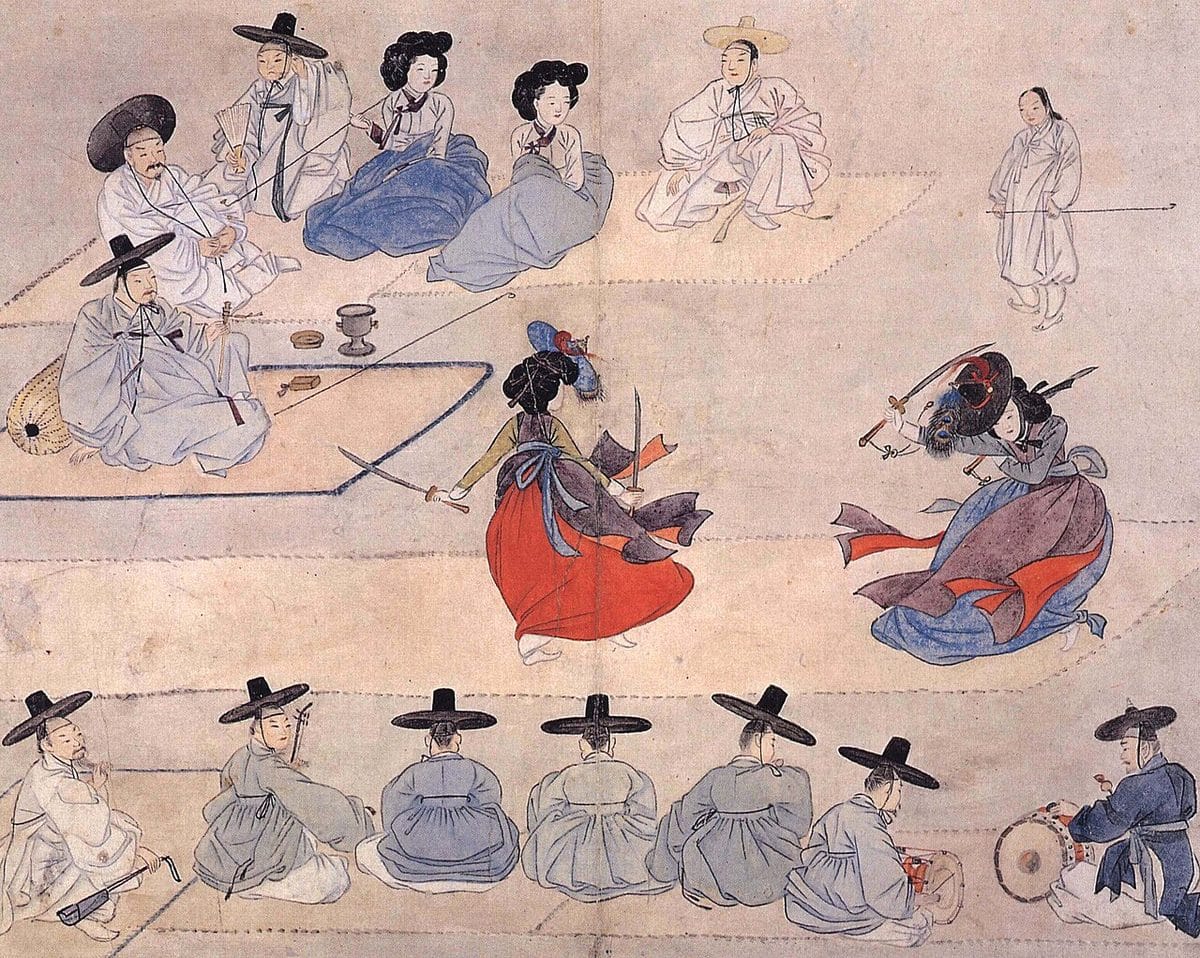 Hanbok History: Korean Jackets, Skirts, Trousers, and Ceremonial DressA guide to Korean clothing through garment construction, Joseon dress, wedding and birthday ensembles, and the changing meaning of hanbok.
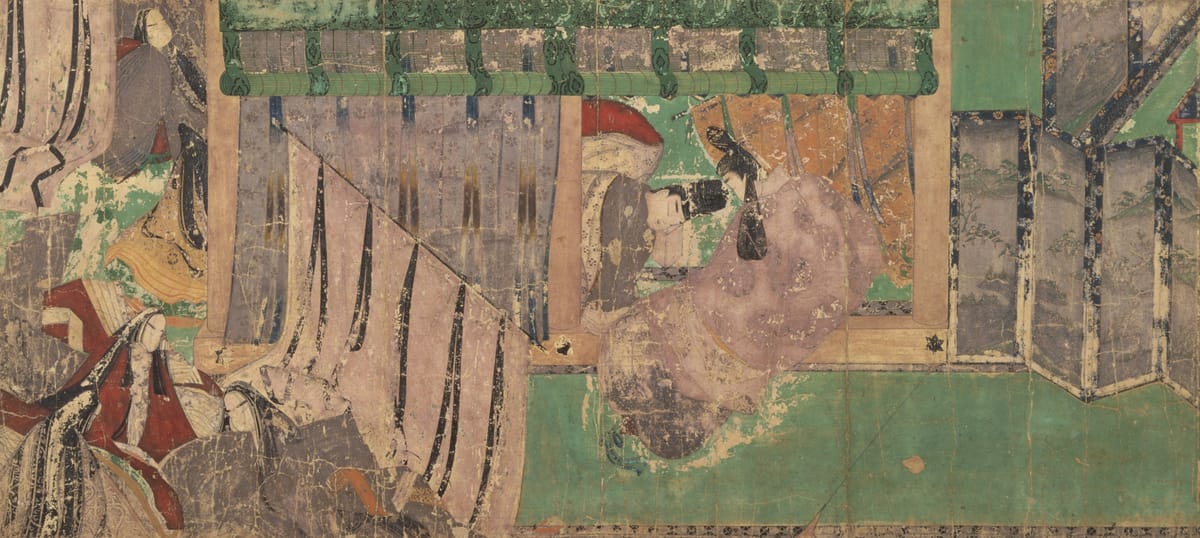 Heian Period Clothing: Court Robes, Junihitoe, and Everyday Dress in Japan, 794–1185How the Heian court in Kyoto turned Tang-style official dress into wide-sleeved layered robes: women's karaginu and mo over colored uchiki, men's sokutai and everyday nōshi, commoners' hemp kosode, and what the sources really say about the 'twelve layers.'
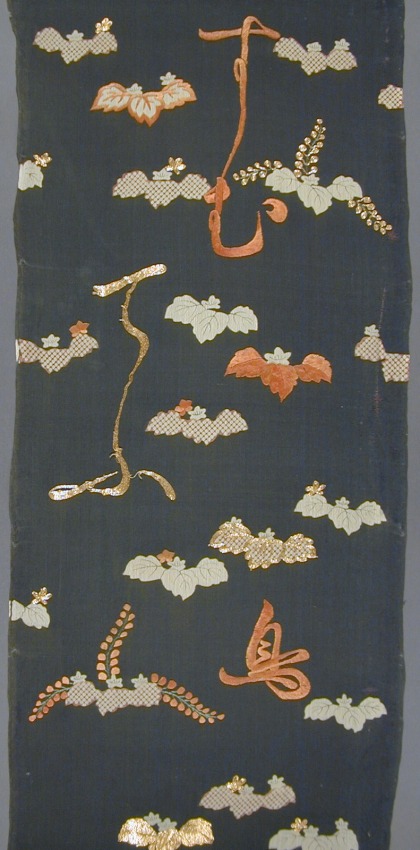 Kimono History: From Kosode to Modern Japanese DressHow the kosode became the kimono: straight-seamed construction, changing sleeves and obi, Edo textile fashions, and the garment's modern role in Japanese life.
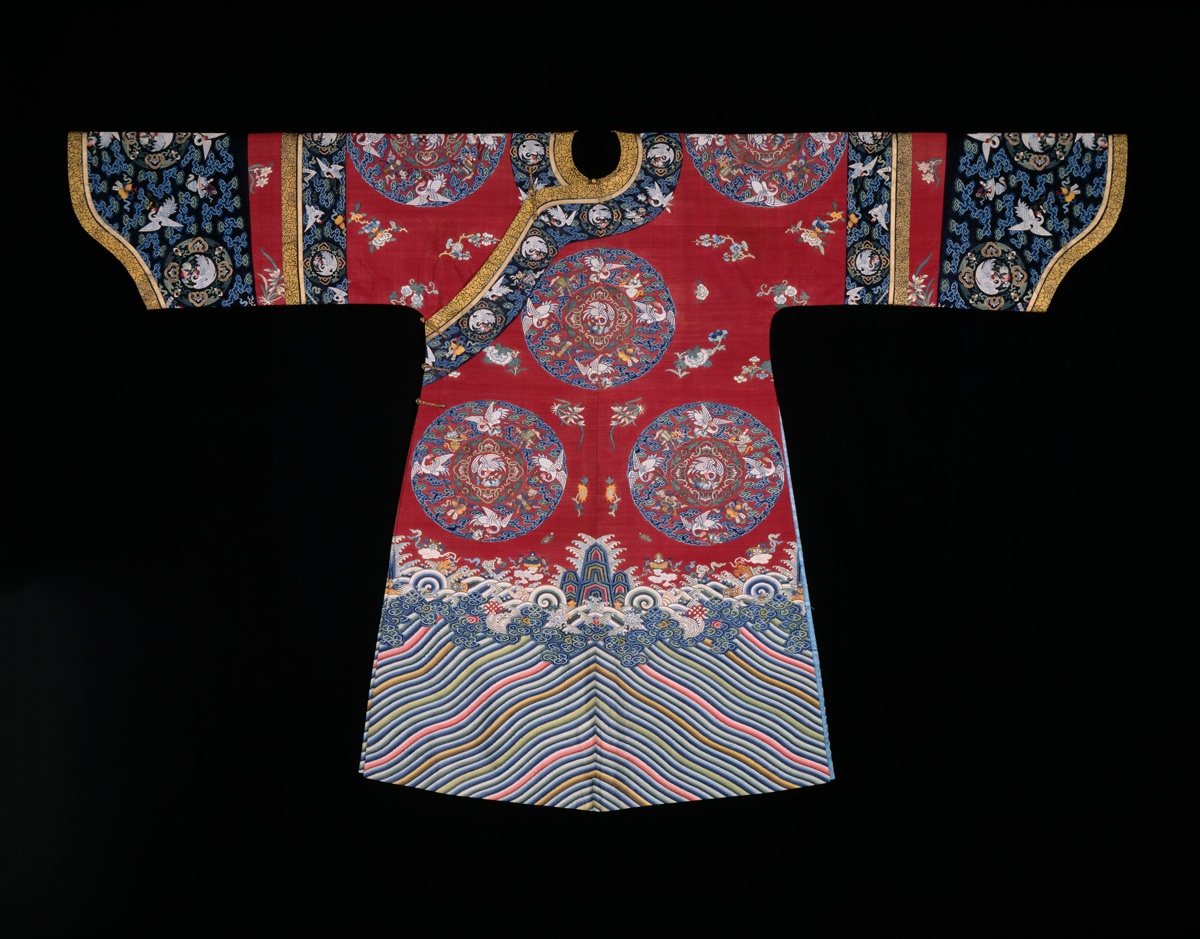 Qipao History: From Manchu Banner Gown to Modern CheongsamHow the qipao, or cheongsam, took shape in 1920s Shanghai from older Qing-era gowns, grew slimmer and more fitted through the 1930s and 1940s, moved with tailors to Hong Kong after 1949, and returned as a symbol of Chinese identity.
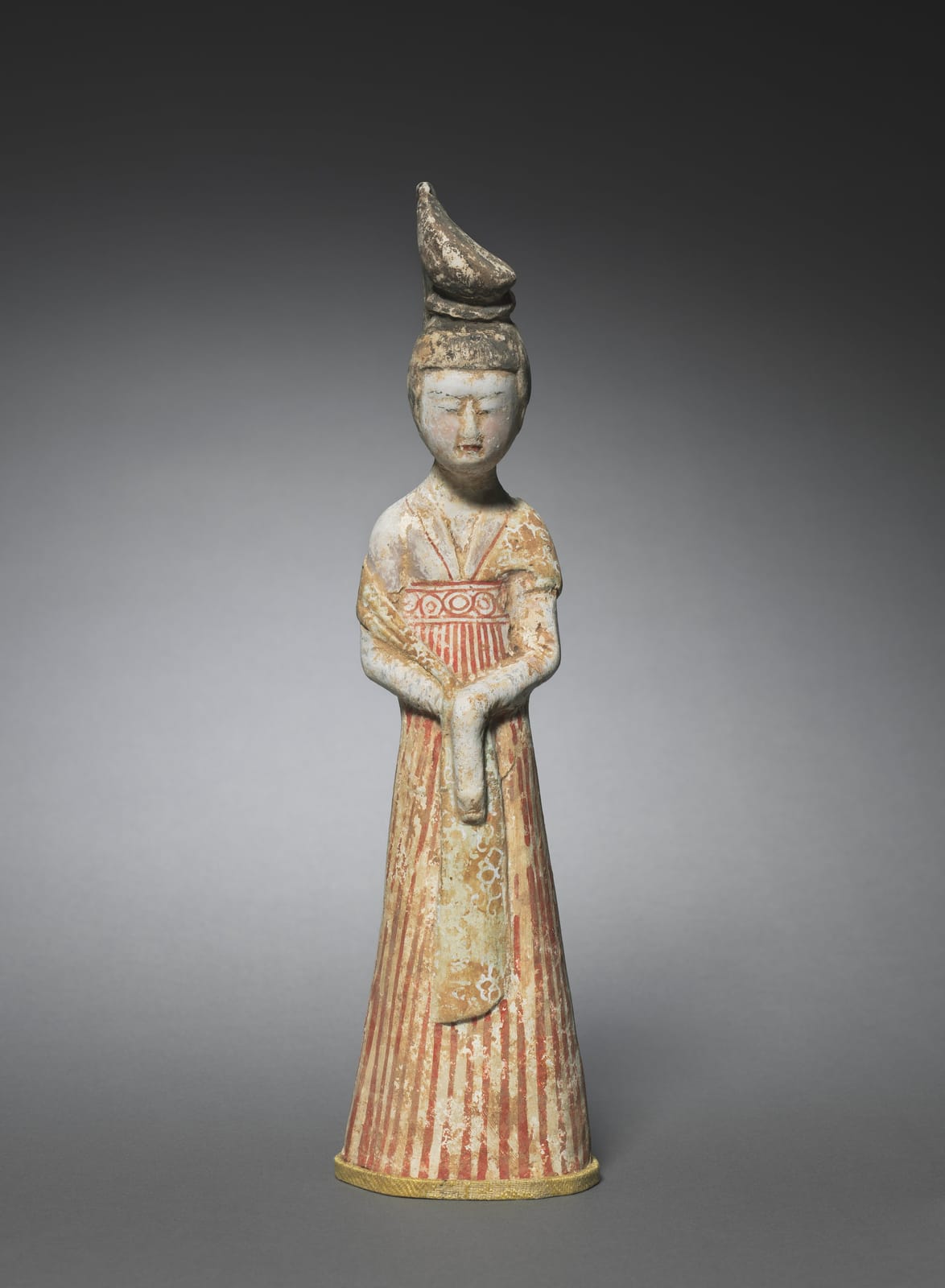 Tang Dynasty Clothing: Ruqun, Riding Dress, and Silk Road FashionWhat people wore in Tang China (618–907): the short jacket, high-waisted skirt, and shawl of court women, the steppe riding dress that elite men and women adopted, veils giving way to foreign hats, official rank colors, and the silks that tied fashion to the empire.