Middle Eastern Clothing History & North African Dress
Explore Middle Eastern and North African clothing, from Mesopotamia, Egypt, and Persia to medieval Islamic dress, Ottoman clothing, and modern styles.
Follow clothing across the Middle East and North Africa, with surveys covering Mesopotamia, Egypt, Persia, the medieval Islamic world, and later periods. Geography, religion, and political rule do not describe identical boundaries: the guides distinguish particular societies and periods rather than treating Arab, Persian, Ottoman, and Islamic dress as interchangeable.
Start with the ancient or medieval survey, then explore Egyptian linen, early Islamic Arab clothing, Islamic Golden Age textiles, or Ottoman court dress.
Sources: Clothing ii. In the Median and Achaemenid periods; Tiraz: Inscribed Textiles from the Early Islamic Period; Garments of the Ottoman Sultans.Follow Middle East & North Africa on the clothing history timeline →
Middle East & North Africa through time
Prehistoric Middle Eastern Clothing
Before 3000 BCE
The Middle East produced some of the world's earliest known textiles, as Neolithic communities turned flax and other plant fibers into cloth and developed the fundamental technologies of spinning and weaving.
Ancient Middle Eastern Clothing
3000 BCE - 500 CE
From Mesopotamian wool fleece garments to Egyptian linen mastery and Persian tailored trousers, the ancient Middle East pioneered textile traditions that shaped dress across the world — what Sumerians, Egyptians, Assyrians, and Persians wore, and how we know.
Medieval Middle Eastern Clothing
500 - 1500 CE
How people dressed across the medieval Islamic world — from Abbasid Baghdad and Fatimid Cairo to Seljuq and Mongol Persia — with luxurious tiraz textiles, robes of honor, silk and cotton, and the dress laws that marked rank and religion.
Early Modern Middle Eastern Clothing
1500 - 1800
The rival Ottoman and Safavid empires dressed their courts in silk kaftans and robes, elaborate turbans, and richly patterned silks woven in royal workshops.
19th Century Middle Eastern Clothing
1800 - 1900
Ottoman dress reforms, from Mahmud II's fez to the Tanzimat era, and growing European influence reshaped official and elite dress in the Middle East, while everyday clothing kept much of its traditional character.
Modern Middle Eastern Clothing
1900 - Present
Modern Middle Eastern fashion navigates a dynamic tension between deep-rooted sartorial traditions and an increasingly globalized fashion industry, giving rise to the influential modest fashion movement.
Garments, cultures, and traditions
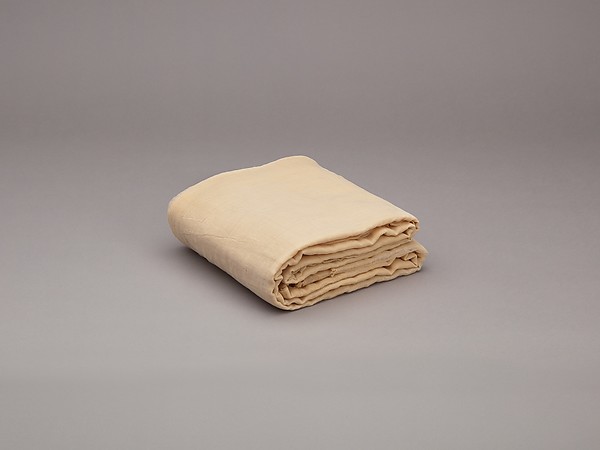 Ancient Egyptian Clothing: Linen, Kilts, Sheath Dresses, and WigsWhat ancient Egyptians actually wore, from the Tarkhan Dress to Tutankhamun's wardrobe: linen and how it was graded, men's kilts and tunics, women's dresses, priests' leopard skins, workers and children, wigs and sandals, and how tomb art can mislead.
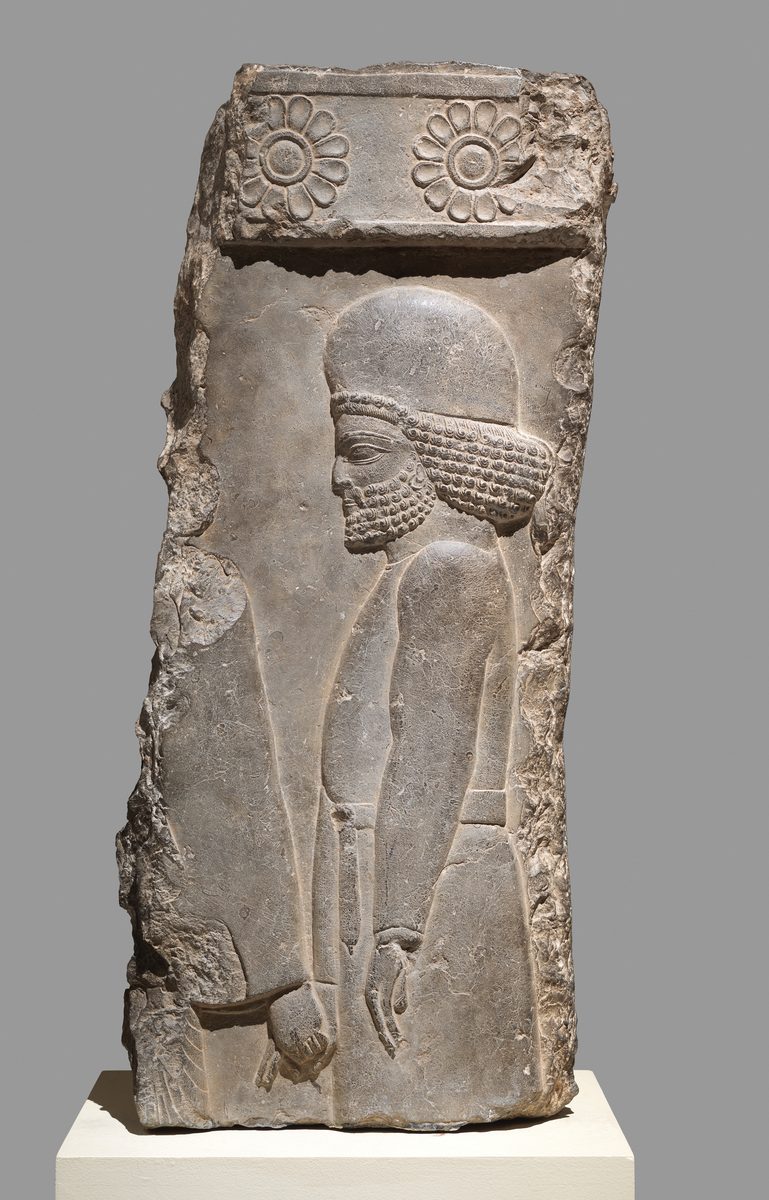 Ancient Persian Clothing: Achaemenid Court and Riding DressA sourced guide to Achaemenid clothing, with distinctions between ceremonial and riding outfits and a close look at the limits of the surviving evidence.
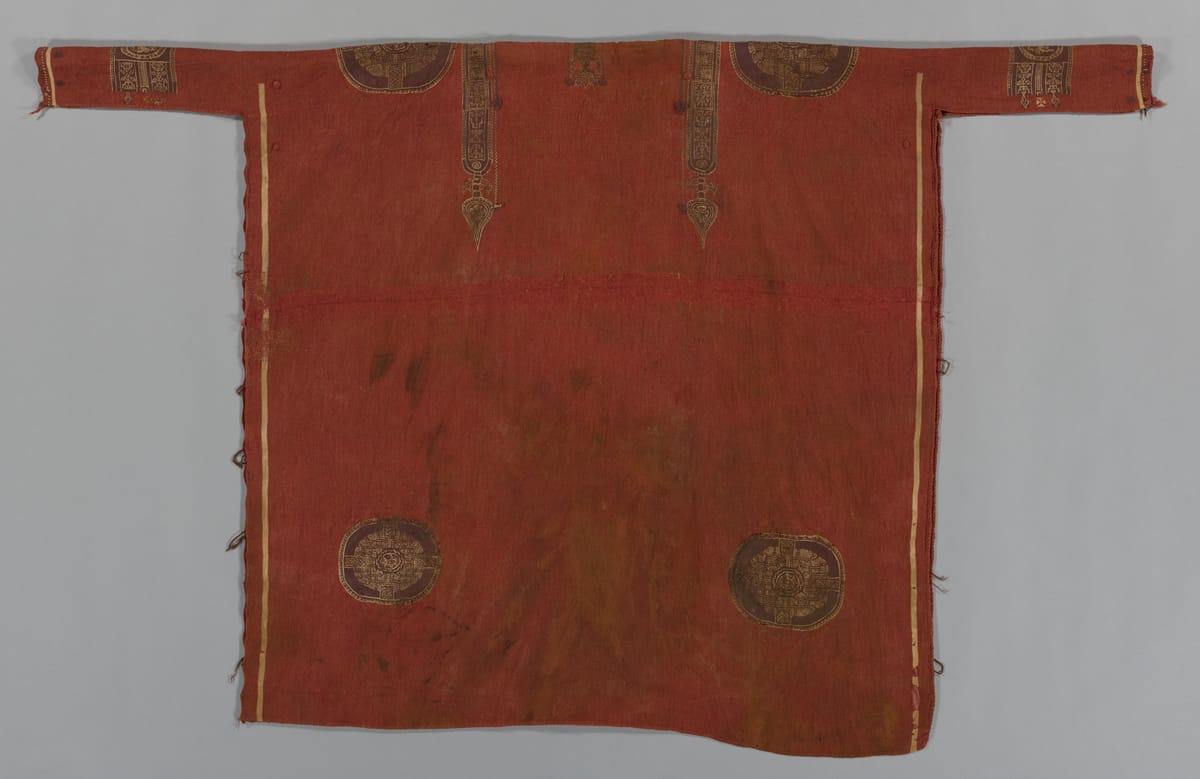 Early Islamic Arab Clothing: Arabia, the Prophet's Era, and the UmayyadsHow Arabs dressed on the eve of Islam and through the seventh and early eighth centuries: wrapped lengths of cloth, turbans and veils, the Prophet's rules on silk and long hems, and the Sasanian and Byzantine court dress taken up by the Umayyad caliphs.
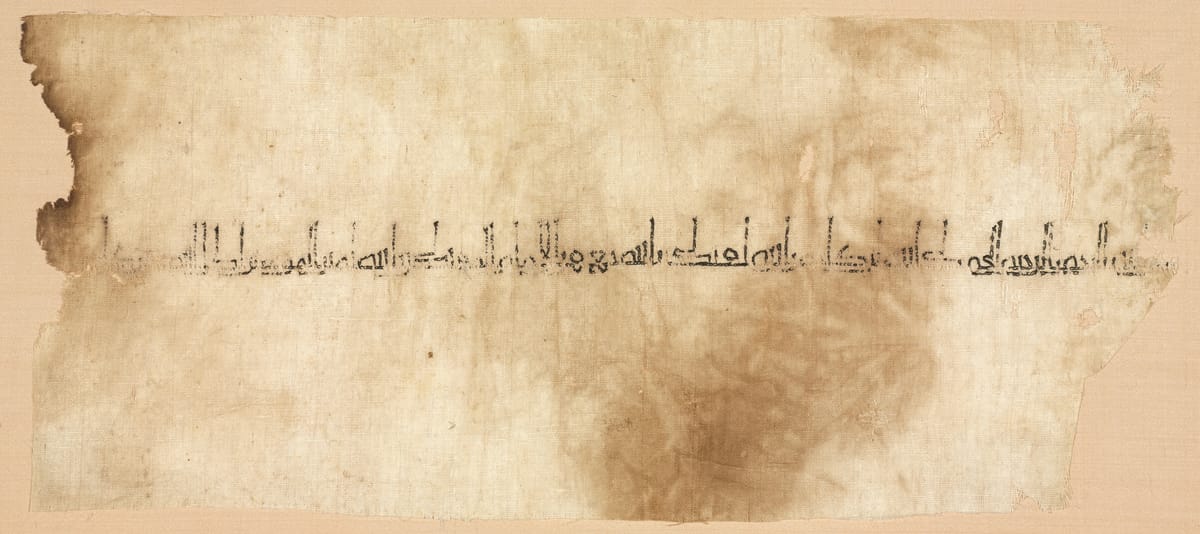 Islamic Golden Age Clothing: Abbasid Black, Tiraz, and Robes of HonorHow people dressed in the Abbasid caliphate and its rivals from 750 to 1258, from the black robes and tall caps of the Baghdad court and the inscribed tiraz of caliphal workshops to the caftans of Samarra, the linens of Fatimid Egypt, and the dress rules imposed on non-Muslims.
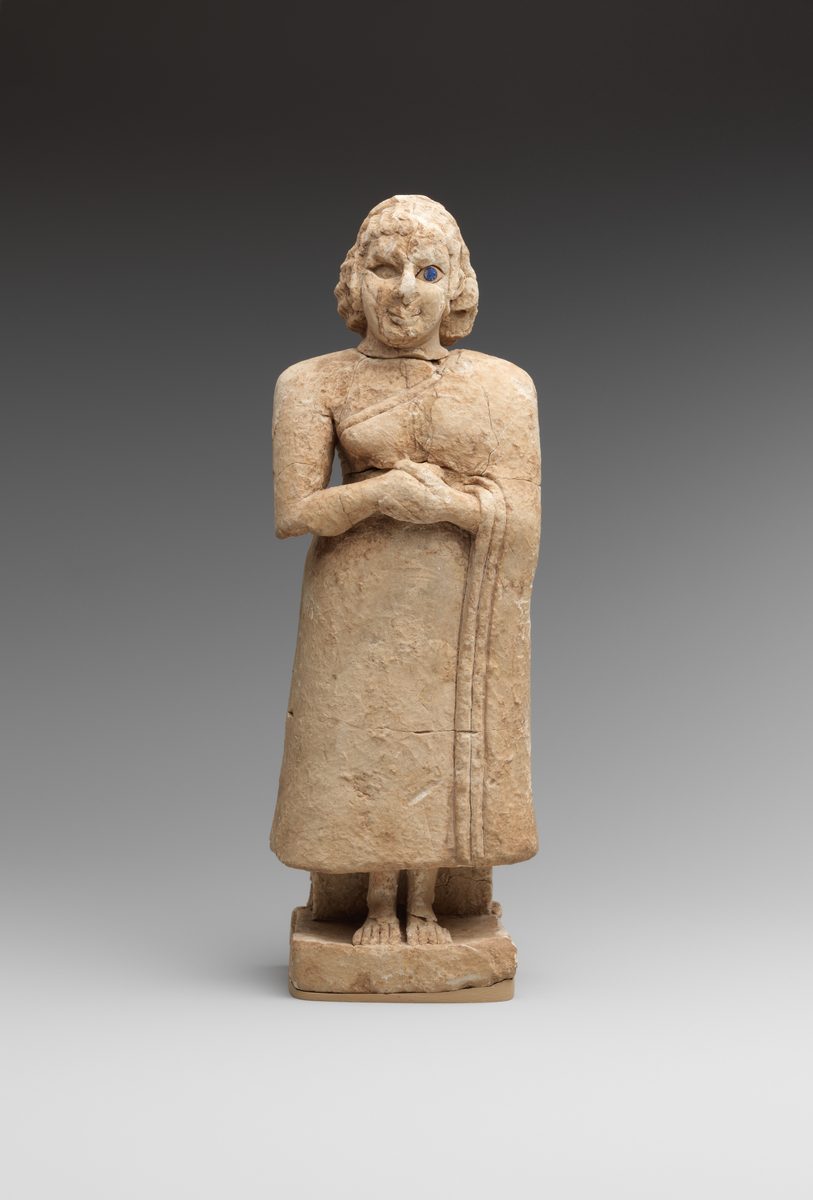 Mesopotamian Clothing: Sumerian Dress, Assyrian Textiles, and WoolWhat sculpture, weaving tools, and written records reveal about Sumerian and Assyrian dress, textile work, and the importance of wool.
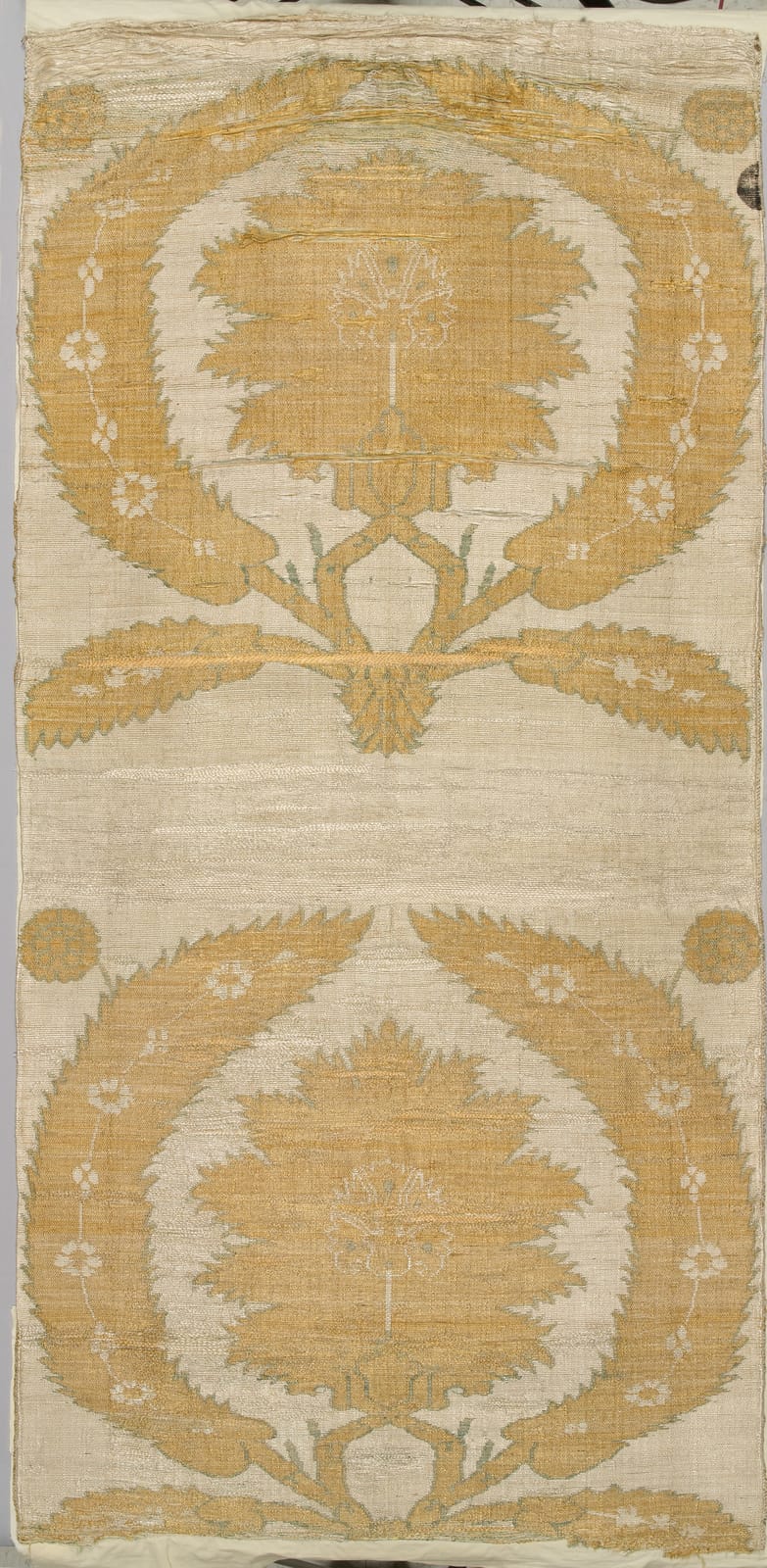 Ottoman Clothing: From Court Kaftans to the Fez and StamboulineHow Ottoman dress moved from layered silk kaftans and rank-coded turbans at the Topkapı court to the fez and black frock coat imposed on officials by Mahmud II's reforms of the late 1820s.