European Clothing History
Explore European clothing from prehistoric hides and ancient Greek and Roman dress to medieval tailoring, industrial textiles, and modern fashion.
Follow European dress through six periods, or choose a closer study of a garment or culture. The surveys cover everyday clothing alongside elite fashion and explain the surviving evidence. For an overview of how Europe fits into the wider story, compare each period with the other world regions in the clothing timeline.
Start with ancient Greek and Roman clothing, medieval European dress, or the changes brought by industrialization in the nineteenth century.
Sources: Women's Dress in Archaic Greece: The Peplos, Chiton, and Himation; Roman Clothing, Part I; Middle Gothic, c. 1325–1425.Europe through time
Prehistoric European Clothing
Before 3000 BCE
From Ice Age animal hides stitched with bone needles to Ötzi the Iceman's remarkably sophisticated layered outfit, prehistoric Europeans developed ingenious textile solutions across thousands of years of climatic change.
Ancient European Clothing
3000 BCE - 500 CE
From Bronze Age wool and Greek draped garments to Roman togas and Celtic trousers, clothing in ancient Europe was both functional and deeply symbolic — what people wore, what it meant, and how we know.
Medieval European Clothing
500 - 1500 CE
From early medieval tunics to the elaborate fitted garments of the Gothic period, European dress transformed dramatically over a millennium — what peasants, nobles, men, and women wore, and how we know.
Early Modern European Clothing
1500 - 1800
From the starched ruffs of the Renaissance to the elaborate wigs of Versailles, early modern European fashion became an extravagant theater of power, status, and national identity.
19th Century European Clothing
1800 - 1900
Explore nineteenth-century European clothing through Regency gowns, crinolines, bustles, tailored menswear, working dress, and the changes in textile production and retailing.
Modern European Clothing
1900 - Present
From the ateliers of Paris to the fast fashion chains of Spain and Sweden, modern European clothing reshaped how the entire world dresses.
Garments, cultures, and traditions
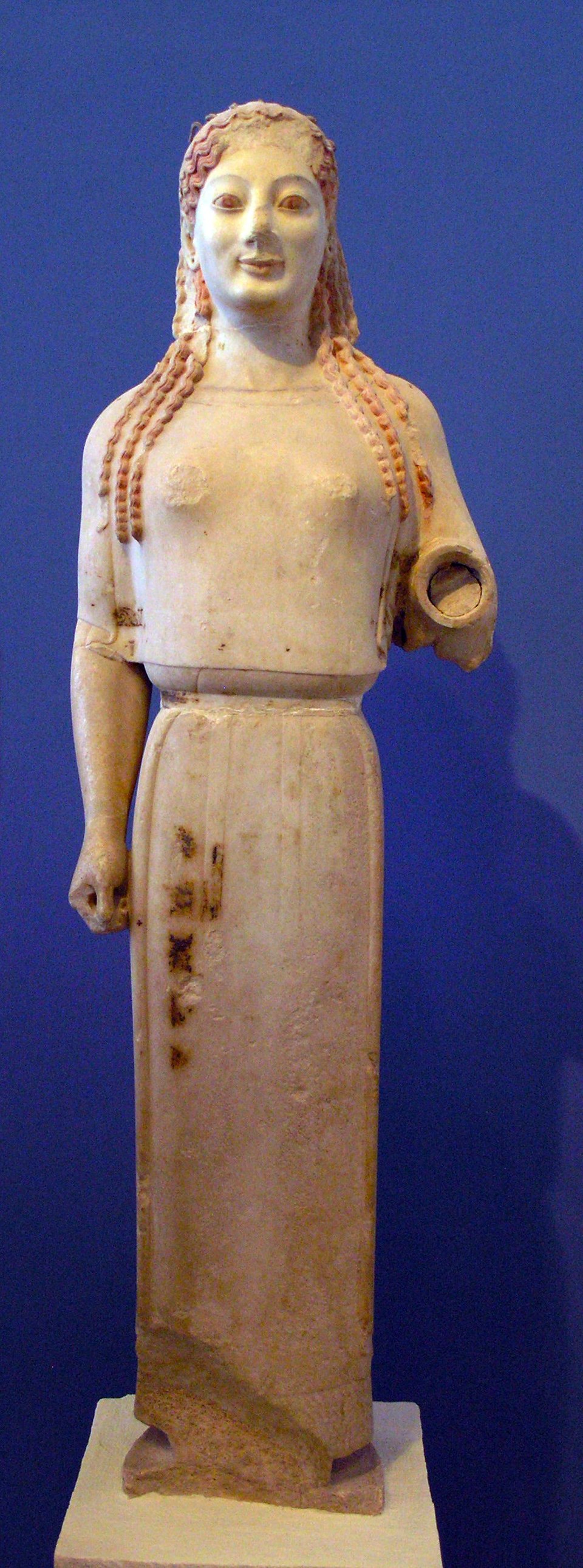 Ancient Greek Clothing: Chiton, Peplos, Himation, and ChlamysA guide to ancient Greek garments, their construction and color, and the limits of learning about dress from sculpture and vase painting.
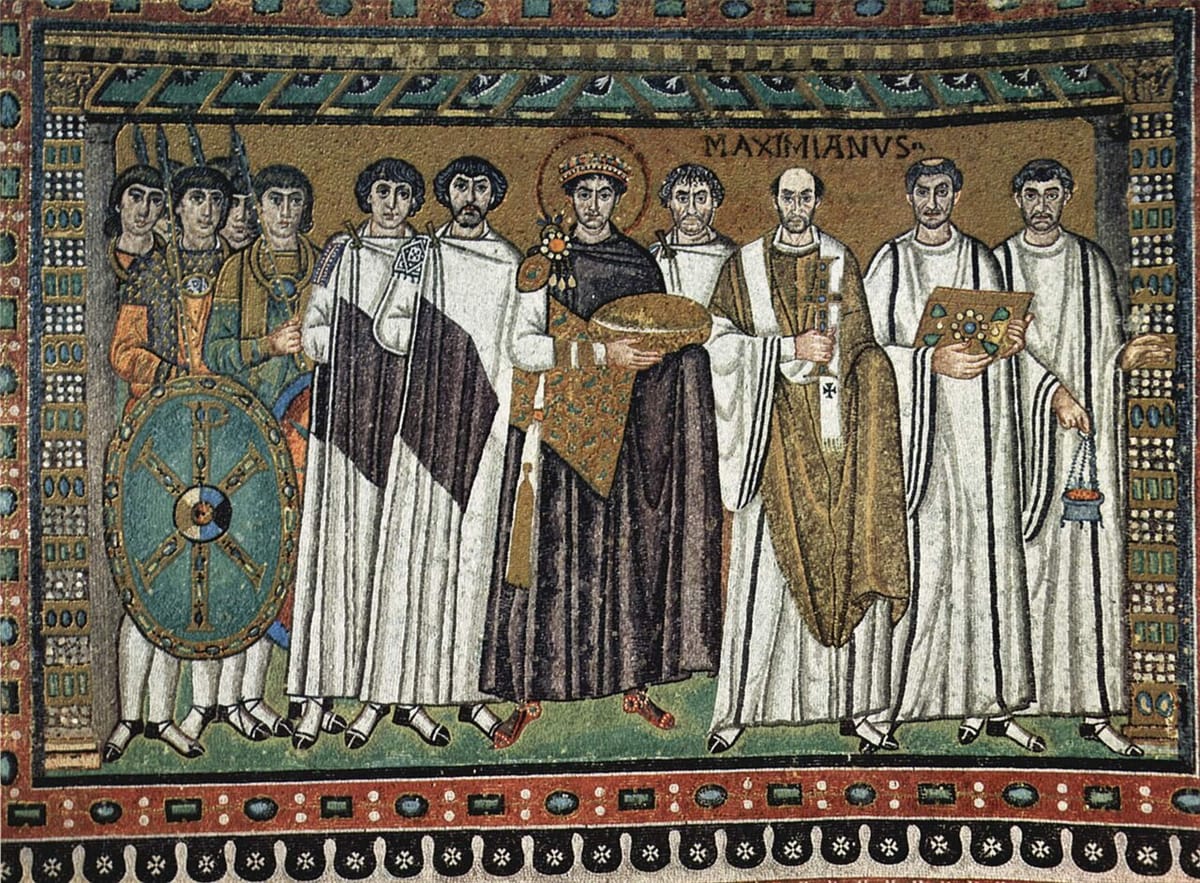 Byzantine Clothing: Court Silk, Imperial Purple, and Everyday DressWhat people wore in the Byzantine Empire from the founding of Constantinople to its fall in 1453: long tunics and mantles for everyone, the chlamys, loros and purple silk of the court, women's layered dress and mantles, and the caftans of the late empire.
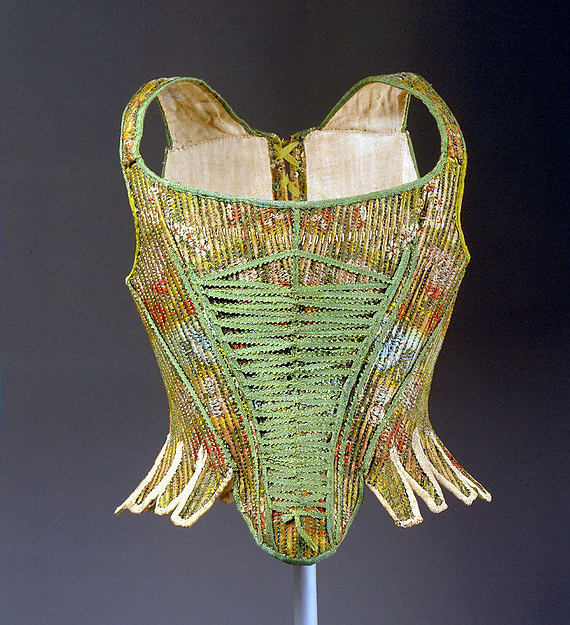 History of Corsets: Stays, Silhouettes, and Common MythsA history of stays and corsets through museum garments, construction methods, changing fashions, and the difference between everyday support and tight-lacing.
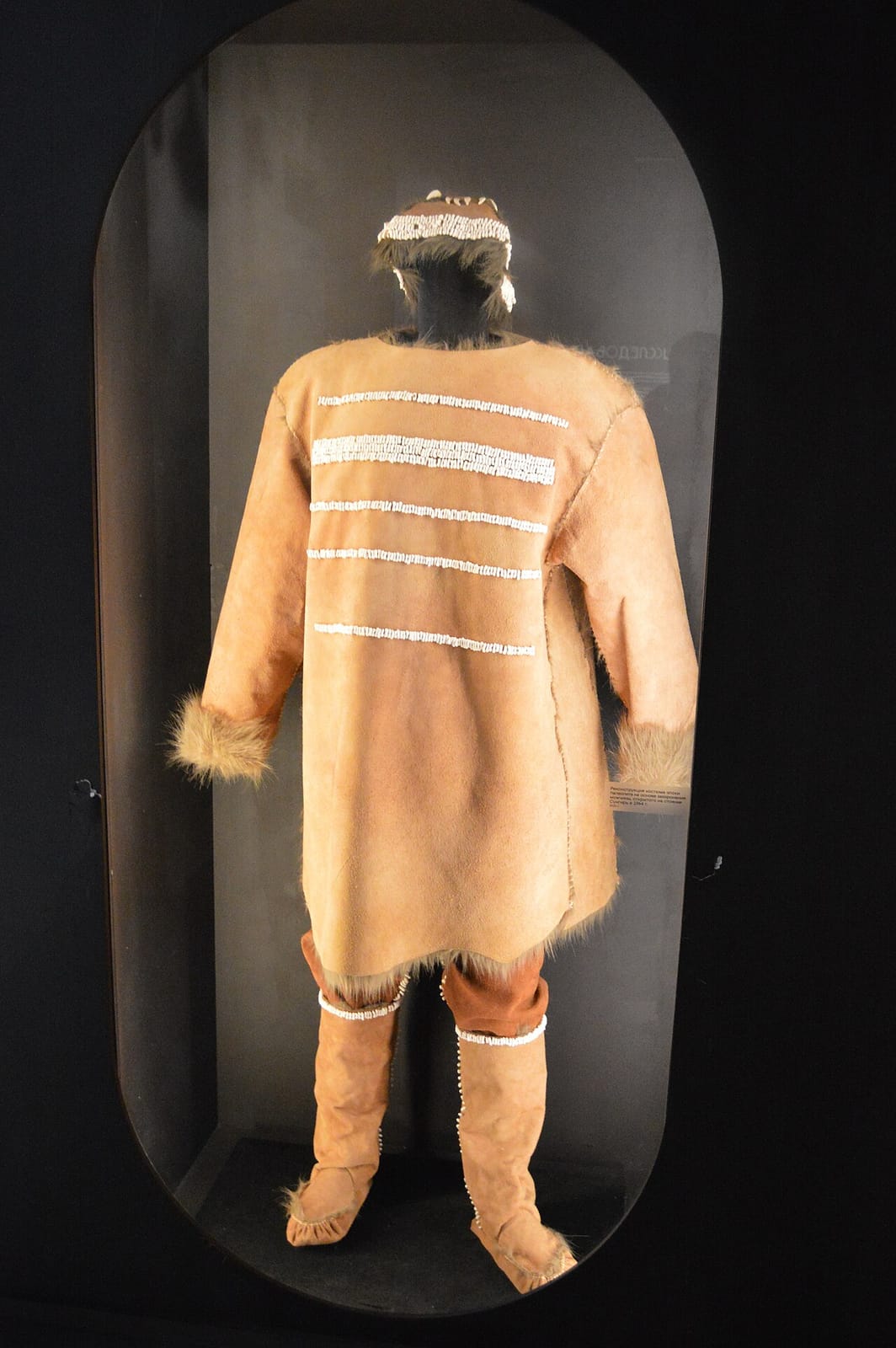 Ice Age Clothing: What Paleolithic People Really WoreWhat Upper Paleolithic people in Ice Age Europe actually wore, as reconstructed from eyed needles, the beaded Sunghir burials, textile impressions in clay, and carved figurines.
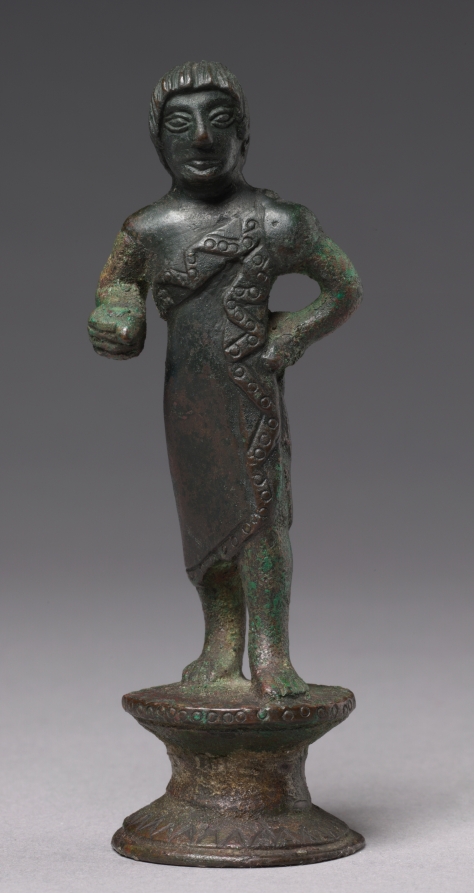 The Roman Toga: Who Wore It, What It Meant, and How It EndedHow a woolen mantle with Etruscan roots became the mark of the Roman citizen, what its colors and borders signaled, why it was hard to wear, and how it faded into a ceremonial garment by the fifth century CE.
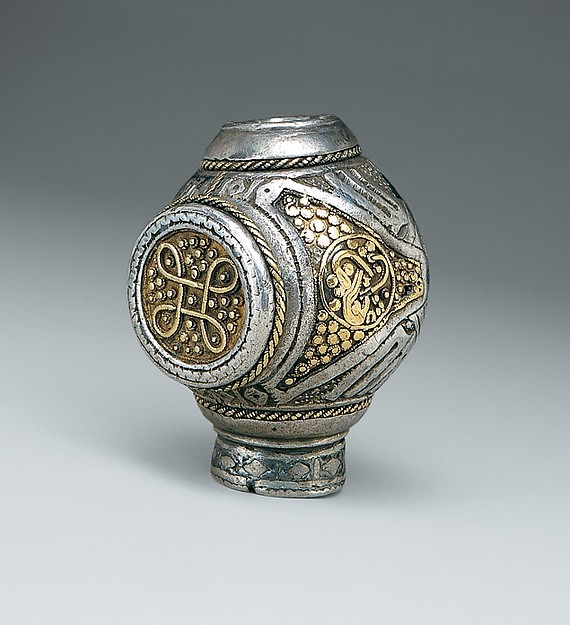 Viking Clothing: What Vikings Wore, and How We KnowWhat people in Viking Age Scandinavia wore, about 800 to 1050 CE: wool and linen tunics, trousers and cloaks for men, strap dresses held by oval brooches for women, imported silk for the rich, and colors far brighter than the myth suggests.