Indigenous Dress and the Impact of Colonialism
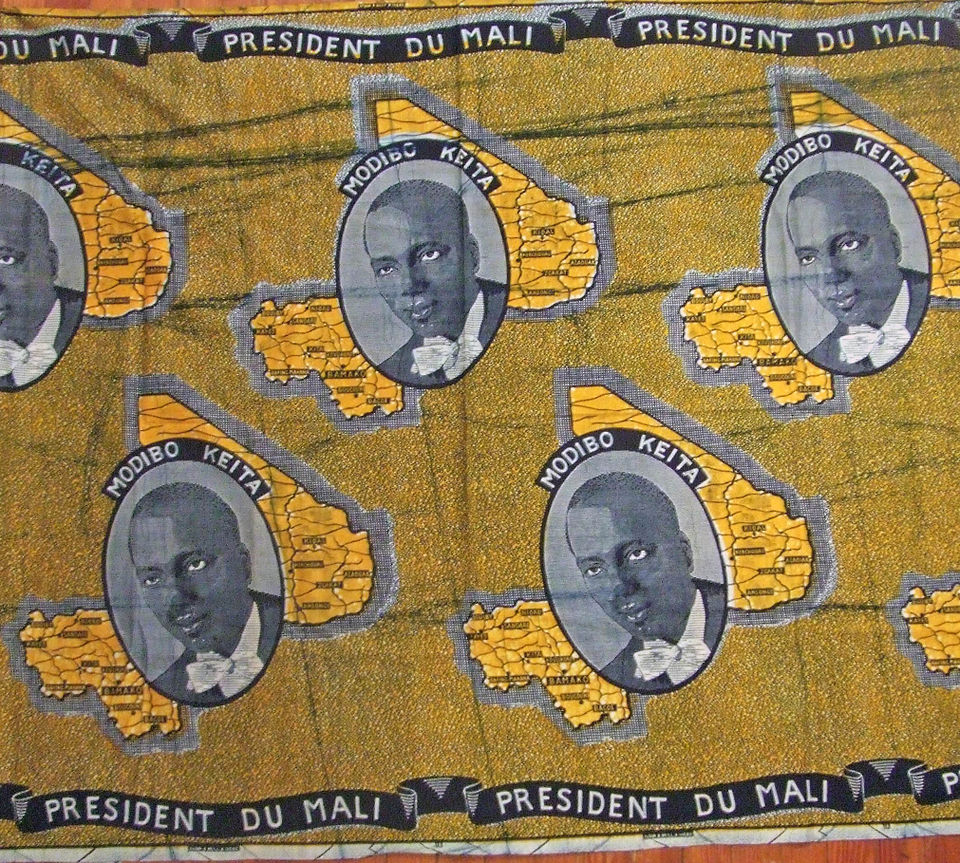
At the start of the 19th century, sub-Saharan Africa's clothing traditions were extraordinarily diverse. In West Africa, the kente cloth of the Asante kingdom — woven in narrow strips on specialized looms and assembled into brilliantly patterned garments — remained a powerful symbol of status and identity. The Yoruba people produced aso oke cloth in elaborate patterns, while across the Sahel, flowing boubou robes in indigo-dyed cotton signaled wealth and refinement. In East Africa, the Maasai people wore garments of animal hide and later adopted brightly dyed cotton shuka wraps, combined with elaborate beadwork that encoded age, status, and social role.
European colonialism reshaped African dress in uneven and often contradictory ways. Christian missionaries frequently pressured converts to adopt European-style clothing, viewing indigenous dress as incompatible with their vision of "civilization." Colonial administrations imposed dress codes in some regions while simultaneously profiting from textile imports. Yet African communities rarely adopted European clothing wholesale — instead, they incorporated new materials and styles into existing aesthetic frameworks, creating hybrid forms that expressed both adaptation and resistance.
Wax Print Cloth and New Textile Economies
One of the most significant textile developments of the century was the introduction of wax print cloth to West Africa. Dutch manufacturers, originally producing batik-style fabrics for the Indonesian market, found unexpected demand along the West African coast beginning in the 1840s and 1850s. These machine-produced fabrics, with their characteristic crackled patterns and bold colors, were embraced and reinterpreted by West African consumers who assigned local names and symbolic meanings to specific patterns.
In southern Africa, the Ndebele people developed a distinctive tradition of beaded garments and painted designs, while Kanga cloths — rectangular printed cotton wraps often bearing Swahili proverbs — emerged as a characteristic garment along the East African coast. The importation of European cloth did not simply replace indigenous textiles; it created new forms of expression. Bark cloth production continued in parts of Central and East Africa, and the dyeing traditions using indigo and other local materials persisted alongside imported fabrics. The interplay between local craft traditions and global trade created a textile landscape of remarkable richness and complexity.