Independence, Identity, and the Politics of Cloth
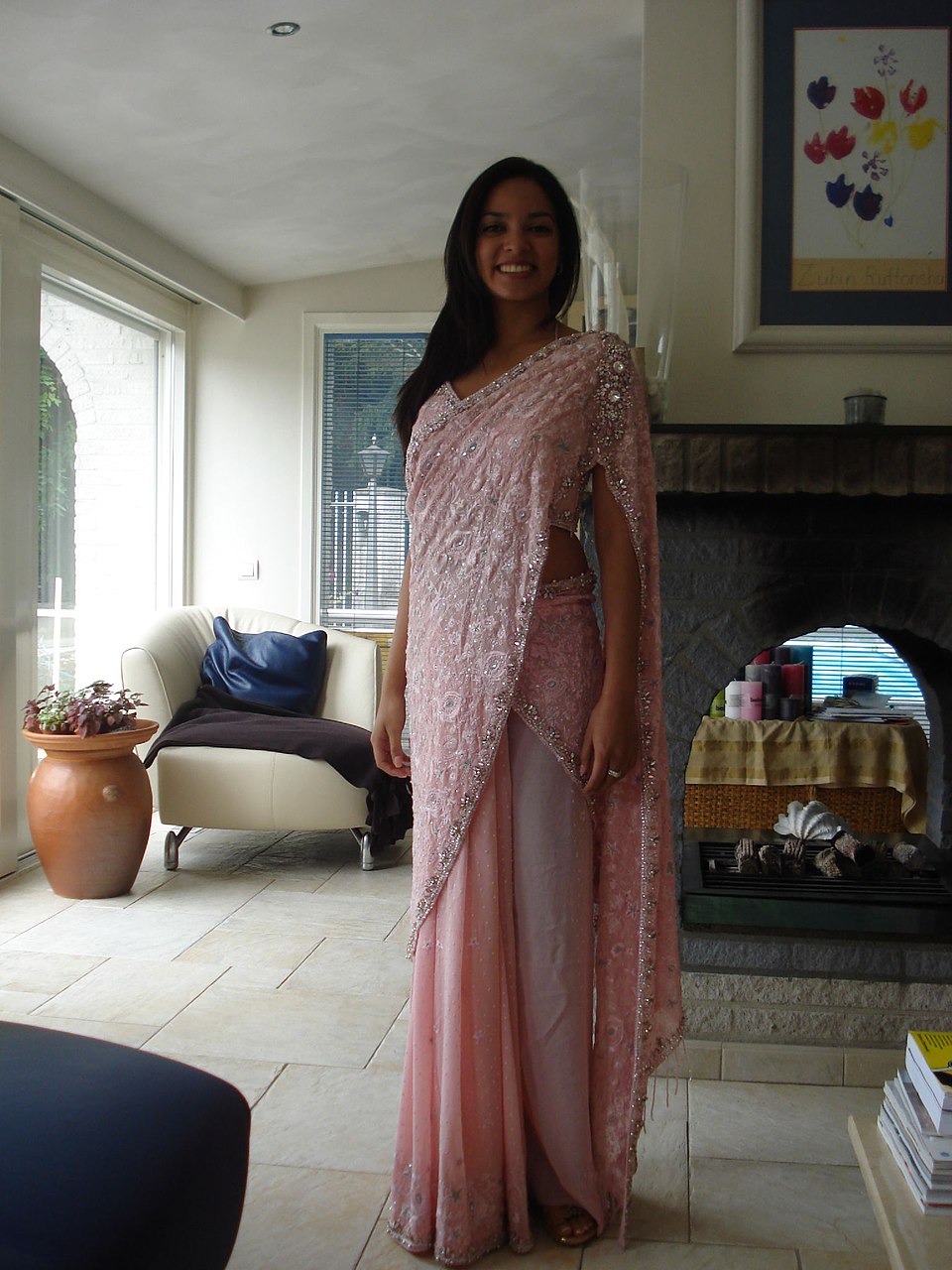
Clothing became a powerful political tool during South Asia's independence movements. Mahatma Gandhi's promotion of khadi — hand-spun, hand-woven cloth — transformed a simple textile into a symbol of resistance against British colonial rule and its industrial imports. The charkha (spinning wheel) became an emblem of Indian nationhood, and wearing khadi signaled solidarity with the independence cause. After partition and independence in 1947, the new nations of the subcontinent navigated clothing choices that reflected both modernizing aspirations and cultural continuity.
In India, Prime Minister Jawaharlal Nehru popularized the Nehru jacket (a tailored, mandarin-collared coat) as a distinctly Indian form of formal menswear, while women continued to wear the sari in its remarkable regional diversity — from the tightly pleated Maharashtrian nauvari to the flowing Bengali tant in fine cotton. Pakistan developed its own sartorial identity around the shalwar kameez, which became standard dress for both men and women, while Sri Lanka's national dress incorporated the osariya style of sari draping alongside influences from colonial-era fashion.
Bollywood, Designer Fashion, and the Global Diaspora
The Indian film industry, centered in Mumbai's Bollywood, became the single most powerful force shaping South Asian fashion from the mid-twentieth century onward. Film costumes set national trends: the ornate lehenga choli (skirt and blouse sets) worn in wedding scenes drove bridal fashion for decades, while the casual styling of leading actors influenced everyday dress across class lines. Bollywood's influence extended to the vast South Asian diaspora, maintaining cultural connections to dress traditions across continents.
The late twentieth and early twenty-first centuries brought a flourishing of South Asian designer fashion. Designers like Sabyasachi Mukherjee, Manish Malhotra, and Tarun Tahiliani reimagined traditional garments with contemporary cuts, luxury fabrics, and global sensibilities. The anarkali suit experienced a major revival, and experimental draping techniques gave the sari new life on international runways. Meanwhile, diaspora designers like Bibhu Mohapatra and brands like Sana Safinaz bridged South Asian and Western aesthetics. In cities across the subcontinent, young professionals increasingly mixed Western and traditional elements — pairing jeans with a kurta, or wearing sneakers with a sari — creating a distinctly modern South Asian style that honored heritage while embracing global fashion.