Colonial Dress and Indigenous Survival
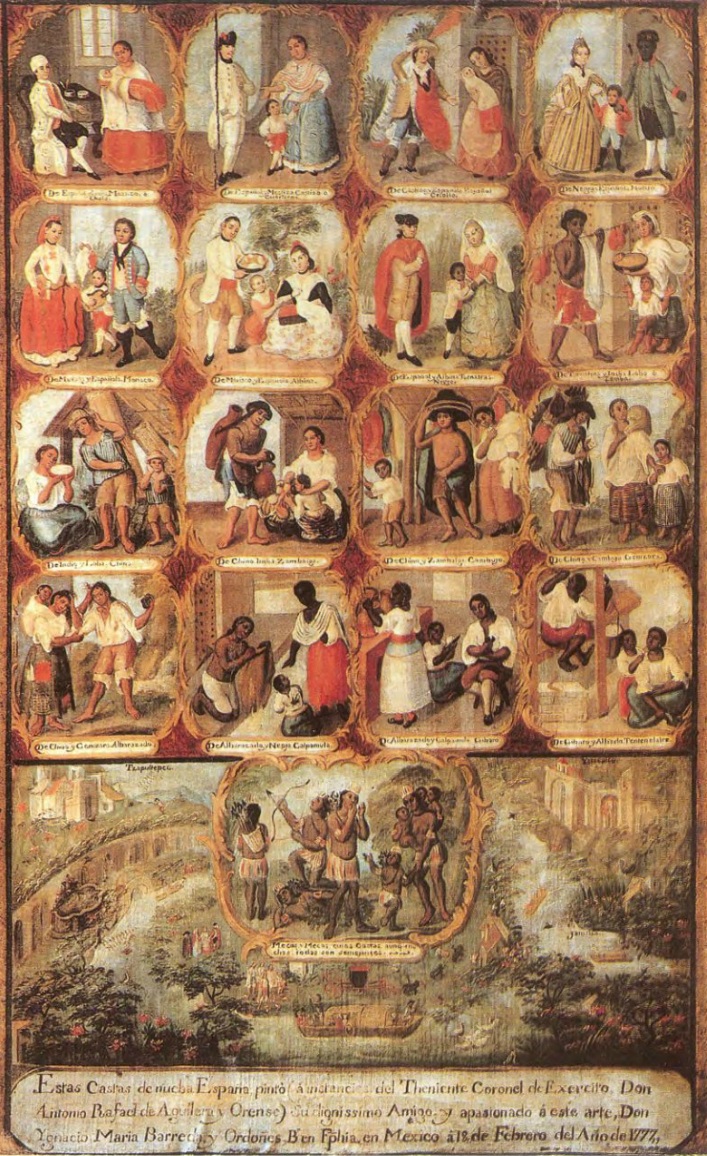
European colonizers brought their home fashions to the Americas, but distance, climate, and the realities of colonial life quickly forced adaptations. Spanish settlers in Mexico and Peru initially replicated Iberian court styles — doublets, ruffs, and heavy woolen cloaks — but gradually adopted lighter fabrics and looser fits suited to tropical conditions. In the English colonies of North America, Puritan settlers wore deliberately plain clothing in dark woolens and simple linen, rejecting the lace and embroidery of the English court, while Southern planters aspired to London fashion with imported silks and brocades.
Indigenous textile traditions survived conquest with remarkable tenacity. In the Andes, Quechua and Aymara weavers continued to produce extraordinary cumbi cloth on backstrap looms, adapting ancient techniques to incorporate Spanish-introduced sheep's wool alongside traditional alpaca and vicuna fibers. In Mesoamerica, the huipil — a rectangular woven garment worn by women since pre-Columbian times — remained a core element of Indigenous dress, with each community's distinctive patterns and colors serving as markers of identity. Spanish authorities attempted to regulate Indigenous clothing through sumptuary laws, but these were widely ignored or subverted.
Mestizo Culture and the African Diaspora
The blending of European, Indigenous, and African populations produced distinctive new clothing traditions across the Americas. In Mexico, the emergence of mestizo dress combined Spanish tailoring with Indigenous textiles, producing garments like the china poblana — a richly embroidered skirt and blouse ensemble that became an icon of Mexican identity. The rebozo, a long rectangular shawl used for carrying children, covering the head, and signaling social status, exemplified this cultural fusion, combining Spanish mantilla traditions with Indigenous weaving techniques.
Enslaved Africans in the Americas were typically provided with minimal, coarse clothing — rough osnaburg linen or cheap cotton — but created expressions of identity and resistance within these constraints. In the Caribbean and Brazil, enslaved and free Black women developed elaborate headwrap traditions, transforming a simple piece of cloth into an art form with regional styles and coded meanings. In the North American colonies, enslaved people supplemented their issued clothing with self-made garments, incorporating African dyeing techniques and aesthetic preferences. By the eighteenth century, free people of color in cities like New Orleans and Havana had developed distinctive dress styles that drew on African, European, and Indigenous influences — fashions so striking that colonial authorities periodically attempted, and failed, to suppress them through sumptuary legislation.