Indus Valley and Vedic Dress
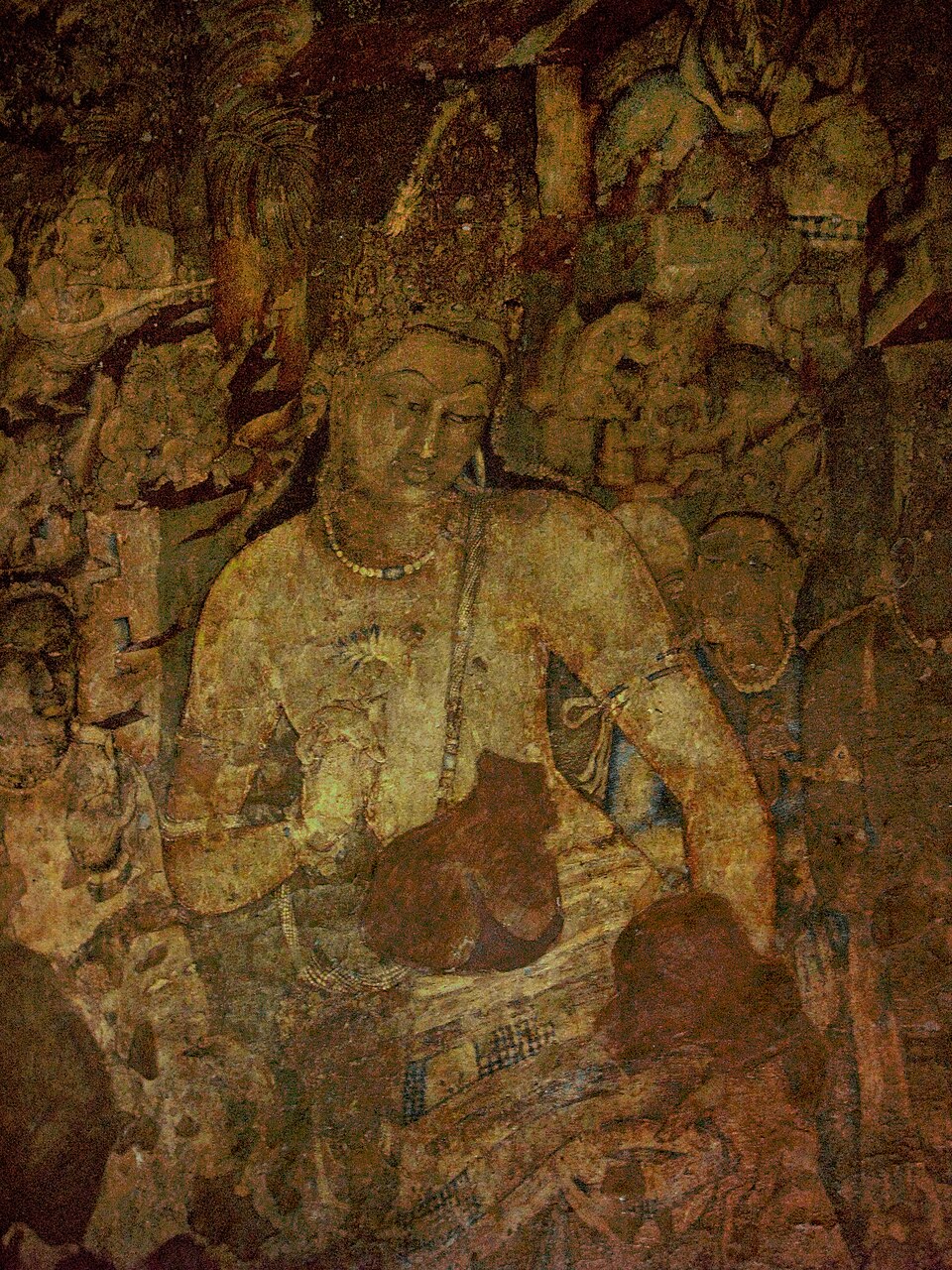
The Indus Valley Civilization (c. 3300–1300 BCE) was among the first cultures to cultivate and weave cotton, a fiber that would become synonymous with South Asian textile traditions. Archaeological finds at Mohenjo-daro include fragments of cotton cloth and depictions of figures wearing draped garments. The famous "Priest-King" statue shows a figure wearing a trefoil-patterned shawl draped over one shoulder, suggesting that even in this early period, textile decoration and draping style carried social meaning.
During the Vedic period (c. 1500–500 BCE), texts describe garments in terms that suggest continuity with later South Asian dress. The nivi or lower garment, wrapped around the waist and legs, is an ancestor of the dhoti — the unstitched rectangular cloth worn by men across the subcontinent. An upper cloth, the uttariya, was draped over the shoulders. Fabrics were made primarily from cotton, though wool was used in colder regions and silk appears in later Vedic references. Dyeing with plant-based colors — particularly indigo and turmeric yellow — was already well established.
Maurya and Post-Maurya Period
The Maurya Empire (c. 322–185 BCE) and its successors left abundant sculptural evidence of ancient Indian clothing. Sculptures from Sanchi, Bharhut, and Mathura depict men and women in finely draped unstitched garments — the antariya (lower garment), uttariya (upper drape), and kayabandh (waist sash). Women's garments appear to prefigure the sari, with fabric wrapped around the lower body and drawn up over one shoulder or draped over the head.
Textiles in this period became increasingly refined and traded widely. Classical Greek and Roman sources marveled at Indian muslin — cotton woven so fine it was called "woven wind." The port cities of western India exported cotton textiles across the Indian Ocean and into the Roman Empire. Decoration included tie-dyeing, block printing, and embroidery, techniques that remain central to South Asian textile arts today. The Buddhist and Jain emphasis on simplicity also influenced dress, with monks adopting unstitched robes in prescribed colors as markers of renunciation.