The Tanzimat Reforms and the Fez
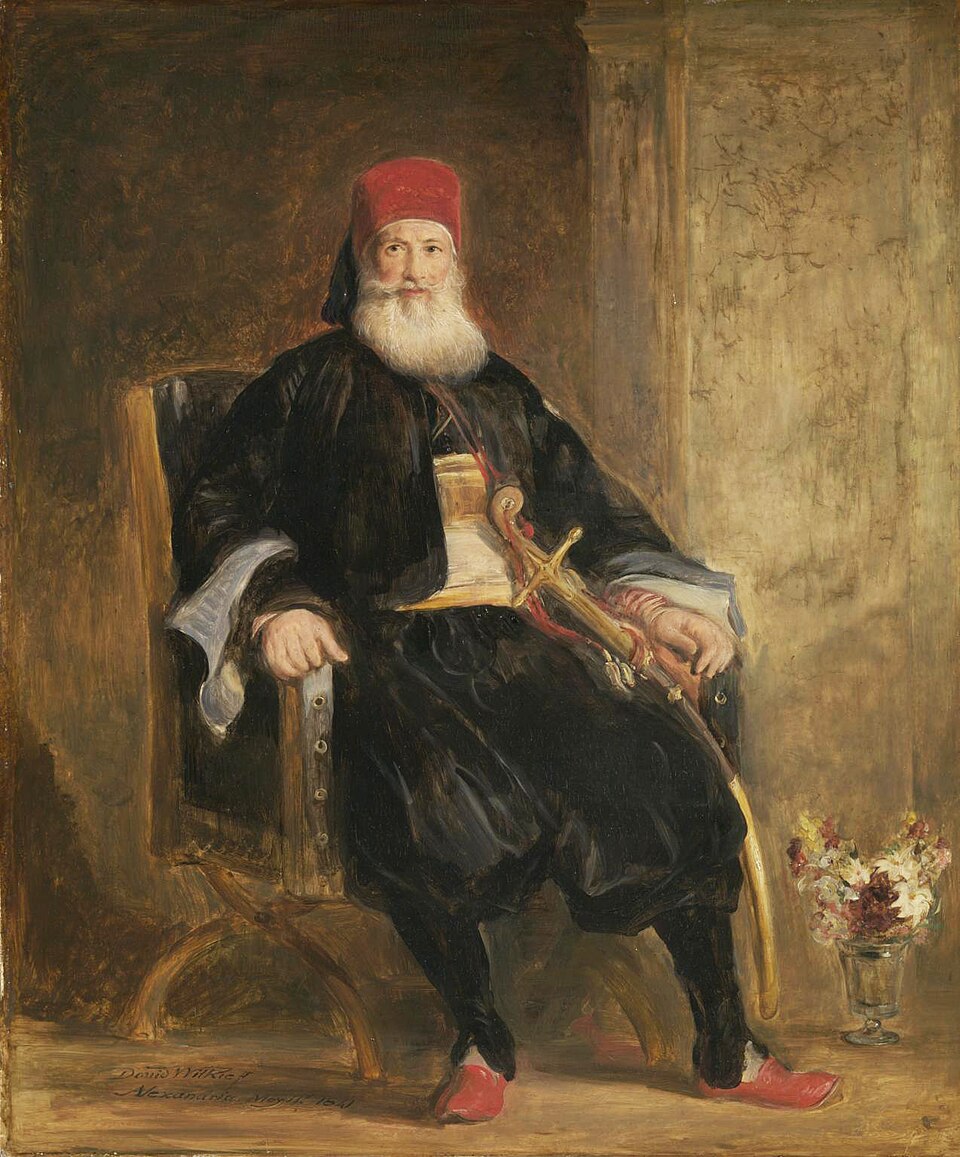
The most visible sartorial change in the 19th-century Middle East was driven by state decree. Sultan Mahmud II's 1829 clothing reforms banned the traditional turban for government officials and military personnel, replacing it with the fez — a brimless crimson felt cap. This was part of the broader Tanzimat modernization program that sought to remake the Ottoman Empire along European lines. The fez, ironically itself of North African origin, became the empire's defining headgear for nearly a century until Ataturk banned it in turn in 1925.
Military dress was transformed most completely. The old system of regionally varied kaftan-based garments gave way to standardized Western-style uniforms modeled on French and Prussian designs. Ottoman officers wore fitted tunics, epaulettes, and trousers, a dramatic departure from the flowing robes of earlier centuries. For civilian officials, the stambouline — a black frock coat worn with the fez — became the standard formal outfit, blending European tailoring with Ottoman identity.
Everyday Dress and Regional Traditions
Beyond the official reforms, everyday clothing across the Middle East retained much of its traditional character. Men commonly wore the thobe or dishdasha — a long loose garment suited to the hot climate — in the Arabian Peninsula, while in the Levant and Egypt, layered ensembles of sirwal trousers, shirts, vests, and outer robes remained standard. The keffiyeh and agal headcovering continued its essential role in Arabian dress, while Persian men wore the kolah cap and distinctive pleated coats.
Women's clothing in the region remained largely shielded from Western reform efforts. The abaya and various forms of face veiling continued in the Arabian Peninsula, while urban women in Istanbul and Cairo navigated between traditional and European-influenced styles. Elite Ottoman women increasingly adopted elements of Parisian fashion — corsets, European fabrics, and tailored bodices — while retaining the ferace outdoor cloak and yashmak face veil in public. In Persia, women wore the chador over richly decorated tunics and wide trousers, with regional embroidery and textile traditions adding distinctive local character.