Silk and the Yangshao Culture
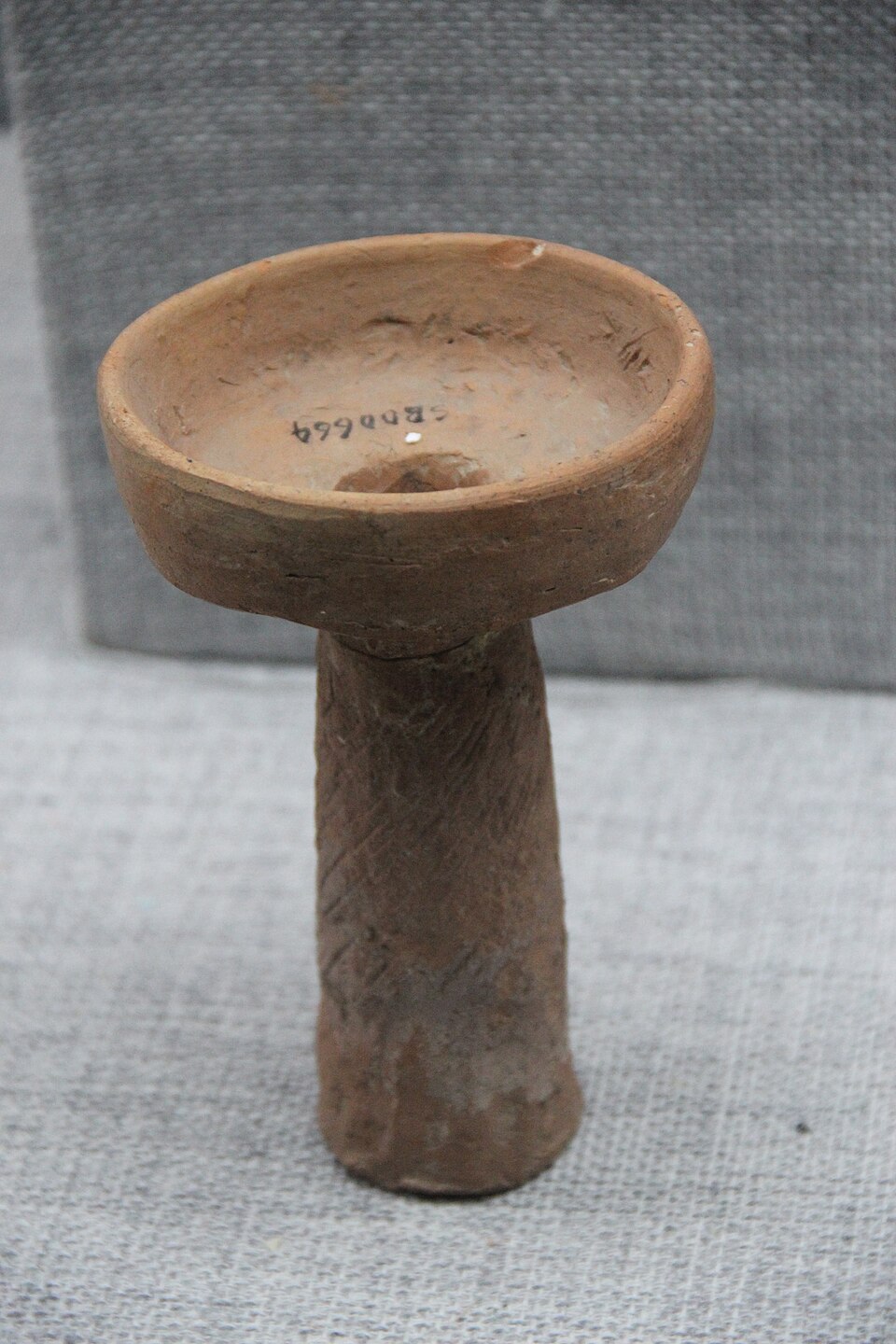
The origins of silk production in China reach far deeper into prehistory than once believed. Archaeological evidence from the Yangshao culture (c. 5000–3000 BCE) and related Neolithic sites along the Yellow River suggests that the cultivation of silkworms (Bombyx mori) and the reeling of silk fibers were already practiced by the fifth millennium BCE. A silk cocoon cut with a sharp blade, found at a Yangshao site in Shanxi province, is among the earliest physical evidence of deliberate silk processing. Fragments of woven silk fabric discovered at the Hemudu site point to a sophisticated understanding of sericulture even in this remote period.
Before silk became widespread, the majority of prehistoric East Asian clothing relied on hemp (Cannabis sativa), one of the oldest cultivated fiber plants in the region. Hemp fibers were retted, spun, and woven into coarse but durable cloth suitable for everyday garments. The Yangshao people left behind ceramic impressions of woven fabrics and numerous spindle whorls — small weighted discs used in hand spinning — indicating that textile production was a routine household activity across Neolithic Chinese settlements.
Animal Skins and Early Tailoring
In the colder northern reaches of prehistoric East Asia — Manchuria, Mongolia, and the Korean Peninsula — animal hides and furs remained essential clothing materials well into the Neolithic period. Populations in these regions developed skilled techniques for curing and softening hides using stone scrapers, and bone needles found at numerous sites confirm that fitted, sewn garments were produced. The combination of hide clothing in the north and plant-fiber textiles in the south established a climatic division in dress that would persist for millennia.
As Neolithic communities grew more complex, evidence suggests that clothing began to carry social meaning. Burial sites from the Hongshan culture (c. 4700–2900 BCE) in northeastern China reveal differences in grave goods and personal adornment that imply distinctions of status. Jade ornaments, bone hairpins, and shell beads were likely sewn onto or worn with garments, foreshadowing the elaborate costume hierarchies of later Chinese dynasties. The prehistoric foundations of East Asian textile culture — silk, hemp, and a deep association between dress and social order — were firmly in place before the Bronze Age began.