Wax Prints, Independence, and Pan-African Style
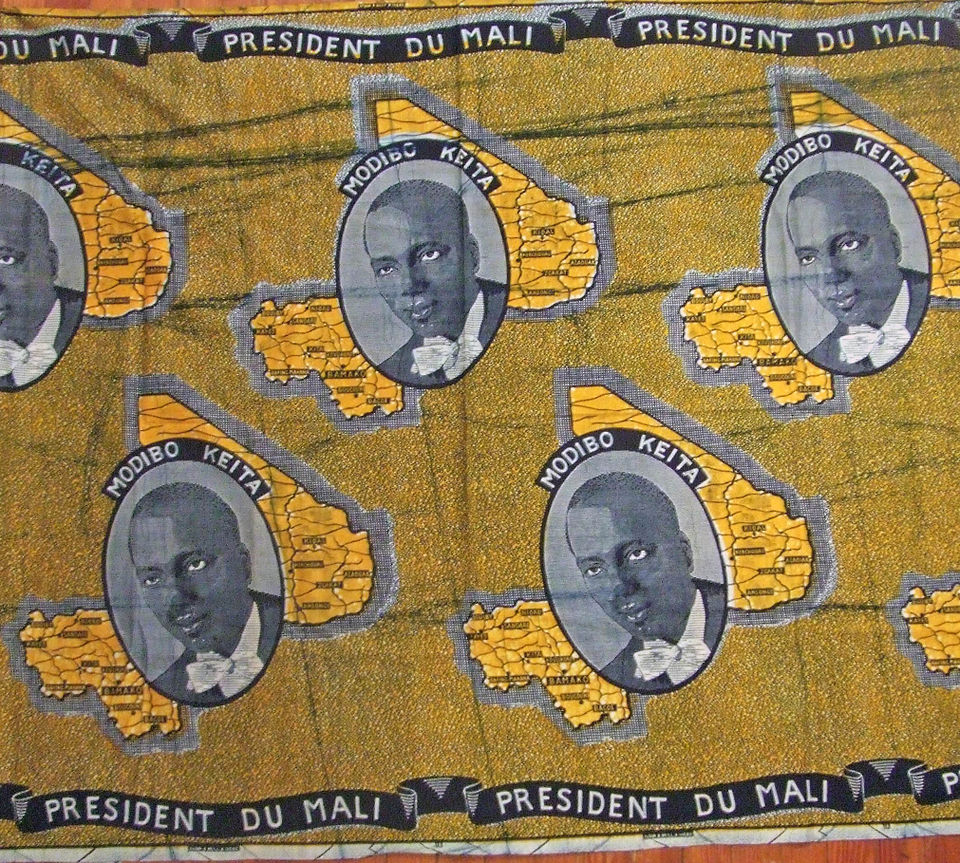
The story of modern Sub-Saharan African fashion is inseparable from the region's colonial history and independence movements. Ankara (also known as African wax print) — brightly colored cotton fabric with bold, graphic patterns — became the most recognizable textile of the continent, despite its complex origins in Dutch imitations of Indonesian batik. By the mid-twentieth century, West African markets had made these fabrics their own, with local manufacturers producing designs that carried cultural meanings and were used to commemorate political events, celebrate leaders, and mark social occasions.
Independence movements across the continent in the 1950s and 1960s fueled a conscious embrace of African dress as a rejection of colonial norms. Ghana's Kwame Nkrumah championed kente cloth, elevating it from Ashanti royal textile to a national symbol. In the Democratic Republic of Congo, Mobutu Sese Seko banned Western suits in favor of the abacost (a Mao-suit-inspired jacket) as part of his authenticite campaign. The dashiki — a colorful, loose-fitting garment of West African origin — crossed the Atlantic to become a powerful symbol of Black pride and Pan-African solidarity during the American civil rights and Black Power movements of the 1960s and 1970s.
African Fashion on the Global Stage
The late twentieth and early twenty-first centuries witnessed an explosion of African fashion creativity that commanded global attention. Designers like Duro Olowu (Nigeria/UK), Lisa Folawiyo, and Ozwald Boateng brought African aesthetics to international runways, while Lagos Fashion Week, Dakar Fashion Week, and South African Fashion Week established the continent as a serious player in the global fashion calendar. These platforms showcased a new generation of designers who drew on local textile traditions while engaging with global trends — producing work that was distinctly African and unmistakably contemporary.
The rise of Afrofuturism in popular culture, amplified by films like Black Panther (2018), brought renewed global interest in African-inspired design. Social media enabled African designers and stylists to reach global audiences directly, bypassing the traditional Western fashion gatekeepers. The agbada — a flowing, wide-sleeved Yoruba robe — became a red-carpet favorite, while kitenge and kanga prints from East Africa found new audiences. Young designers increasingly focused on sustainability, working with local artisans and traditional techniques like adire (Yoruba indigo dyeing) and bogolan (Malian mud cloth) to create fashion that was both culturally grounded and environmentally conscious. The result is a fashion scene of remarkable vitality that continues to reshape the global understanding of style and luxury.