Revolution, Reform, and National Dress
The early twentieth century brought radical changes to East Asian clothing as nations grappled with modernization and Western influence. In China, the Zhongshan suit (later known in the West as the Mao suit) emerged as a symbol of republican modernity, replacing the long robes and Manchu-influenced garments of the Qing dynasty. For women, the qipao (or cheongsam) evolved from a loose Manchu garment into the figure-hugging, high-collared dress that became an icon of 1920s and 1930s Shanghai glamour. After 1949, the People's Republic promoted utilitarian dress — plain cotton jackets and trousers in blue, green, or grey — as an expression of socialist egalitarianism.
In Japan, the Meiji-era shift toward Western clothing accelerated through the twentieth century. By the postwar period, most Japanese wore Western-style clothes daily, with the kimono reserved for ceremonies, festivals, and formal occasions. South Korea followed a similar trajectory, with the hanbok transitioning from everyday wear to ceremonial dress by mid-century. Across the region, the adoption of Western garments was not mere imitation but a selective process, with local tailoring traditions and aesthetic preferences reshaping borrowed forms.
Streetwear, K-Fashion, and Global Influence
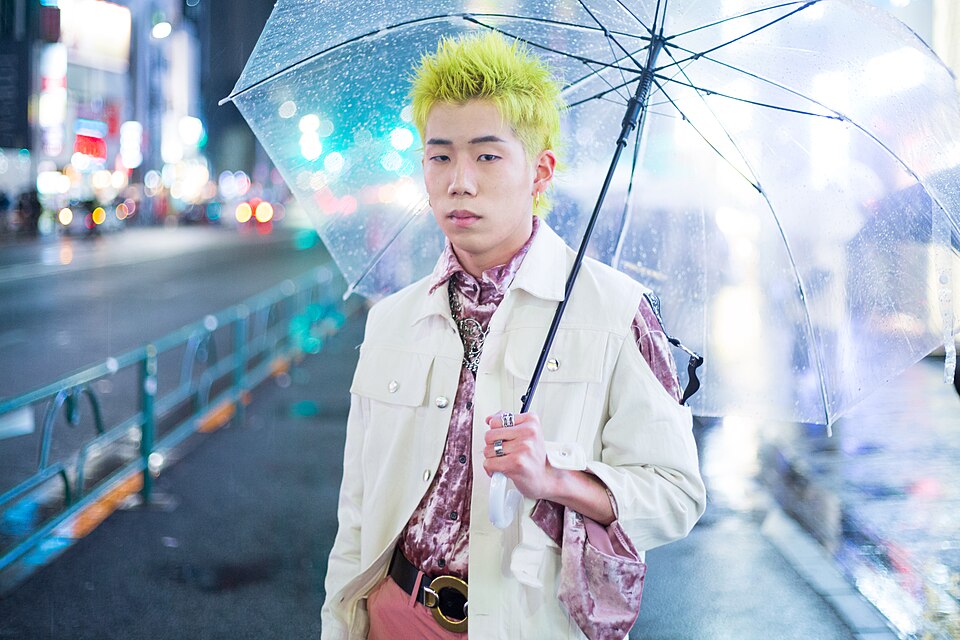
The late twentieth and early twenty-first centuries saw East Asia emerge as a dominant force in global fashion. Japan led the way, with designers like Issey Miyake, Rei Kawakubo of Comme des Garcons, and Yohji Yamamoto astonishing the Paris fashion world in the 1980s with deconstructed, oversized, and asymmetrical garments that challenged Western conventions of beauty and fit. Tokyo's street fashion scenes — from the Harajuku district's wild layering and color to the minimalism of brands like Uniqlo and Muji — became objects of global fascination.
South Korea's K-fashion rose to international prominence alongside the Korean Wave (Hallyu) of the 2010s and 2020s. K-pop idols and Korean drama stars became style icons, driving demand for a look that blended streetwear with polished, gender-fluid aesthetics. Chinese fashion experienced its own renaissance as designers like Guo Pei and Uma Wang gained global recognition, while a new generation of consumers embraced guochao — a movement celebrating Chinese heritage through contemporary design. The modern qipao found new life in this context, reinterpreted by young designers who blended traditional silhouettes with modern fabrics and construction.