Sportswear, Denim, and the American Fashion Industry
The United States' most distinctive contribution to global fashion was the elevation of casual, practical clothing into a legitimate fashion category. American sportswear — pioneered by designers like Claire McCardell, Bonnie Cashin, and later Calvin Klein and Ralph Lauren — rejected the rigid formality of European couture in favor of separates, mix-and-match pieces, and fabrics that allowed freedom of movement. This philosophy reflected a democratic ideal: fashion that suited an active, modern lifestyle rather than a rigid social hierarchy.
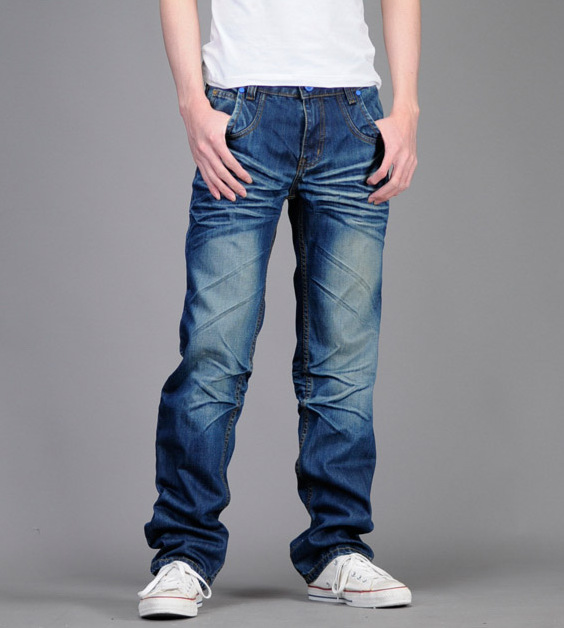
No garment embodies this ethos more than blue jeans. Originally patented by Jacob Davis and Levi Strauss in 1873 as durable workwear for laborers and miners, denim jeans underwent a remarkable transformation in the twentieth century. By the 1950s, James Dean and Marlon Brando had turned them into symbols of youthful rebellion. The counterculture of the 1960s adopted them as anti-establishment dress, and by the 1980s and 1990s, designer jeans from brands like Calvin Klein and Guess had made them luxury items. Today, jeans are perhaps the most universally worn garment on Earth — a genuinely American invention that transcended every boundary of class, gender, and geography.
Streetwear, Hip-Hop, and Cultural Influence
The late twentieth century saw the Americas produce another seismic shift in global fashion: streetwear. Born in the 1980s and 1990s from the intersection of skateboarding, surf culture, hip-hop, and graffiti art, streetwear brands like Stussy, Supreme, and FUBU blurred the line between subcultural identity and high fashion. Hip-hop fashion — oversized silhouettes, gold chains, branded athletic wear, Timberland boots, and later the sleek luxury aesthetic of artists like Kanye West and Rihanna — became one of the most influential style movements in fashion history, driven primarily by Black and Latino creativity.
Latin America contributed its own powerful currents to modern fashion in the Americas. Mexican designers drew on indigenous textile traditions like huipil weaving and Oaxacan embroidery, while Brazilian fashion — showcased at Sao Paulo Fashion Week, one of the world's largest — developed a distinctive aesthetic that blended tropical exuberance with cosmopolitan sophistication. The guayabera shirt of Cuba and Mexico remained a staple of Latin American formal and business dress. By the 2020s, the fashion landscape of the Americas reflected the continent's extraordinary cultural diversity: a kaleidoscope of influences from Indigenous, African, European, and Asian traditions, constantly remixed and reinterpreted by new generations of designers and consumers.