China
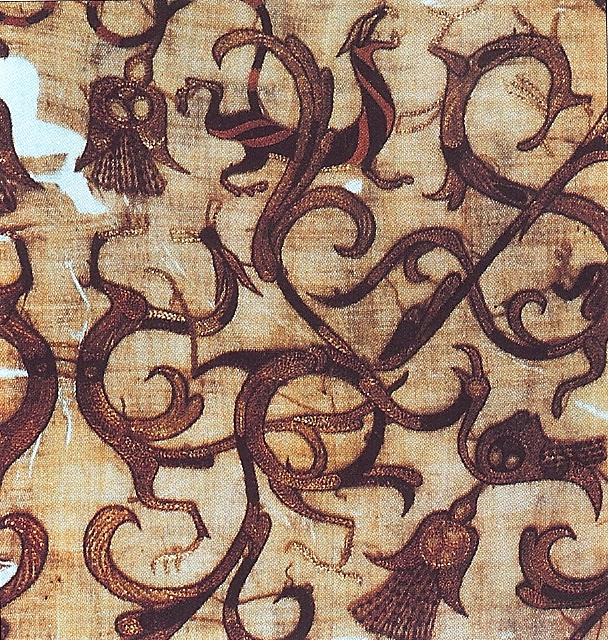
Chinese clothing traditions stretch back thousands of years, with silk production dating to at least 3500 BCE. The hanfu — a broad term for traditional Han Chinese clothing — was characterized by its cross-collar design, wrapping right over left, wide sleeves, and a sash or belt at the waist. The specific cut and layering varied by dynasty, but this fundamental silhouette persisted for centuries.
During the Han Dynasty (206 BCE–220 CE), court dress became increasingly codified. Fabric color, embroidery motifs, and accessories all carried meaning — yellow was reserved for the emperor, while officials wore colors corresponding to their rank. Silk remained the prestige fabric, though the majority of the population wore garments of hemp or ramie cloth.
Japan
Japanese clothing in the ancient period drew heavily from Chinese and Korean influences. The earliest documented Japanese garments were simple wrapped and tied robes. By the Nara period (710–794 CE), the Japanese court had adopted Tang Dynasty Chinese dress styles, including layered silk robes with wide sleeves.
Over the following centuries, these imported styles evolved into distinctly Japanese forms. The junihitoe — a layered court costume of up to twelve silk robes — exemplified the Heian period's (794–1185 CE) emphasis on color combination and aesthetic refinement. The visible layers at the sleeve openings and hem were carefully coordinated according to seasonal color schemes, a practice called kasane no irome.