Andean Textile Traditions
The ancient Andes produced what many scholars consider the most technically accomplished textile traditions of the pre-industrial world. As early as 3000 BCE, coastal peoples in present-day Peru were cultivating cotton and weaving it into cloth. By the first millennium BCE, Andean weavers had mastered an astonishing range of techniques — plain weave, tapestry, twill, gauze, brocade, and embroidery — often combining several in a single piece. The Paracas culture (c. 800 BCE–100 BCE) is particularly renowned for its burial mantles: large cotton cloths embroidered in vivid colors with images of supernatural beings, animals, and human figures using camelid fiber — the wool of llamas and alpacas.
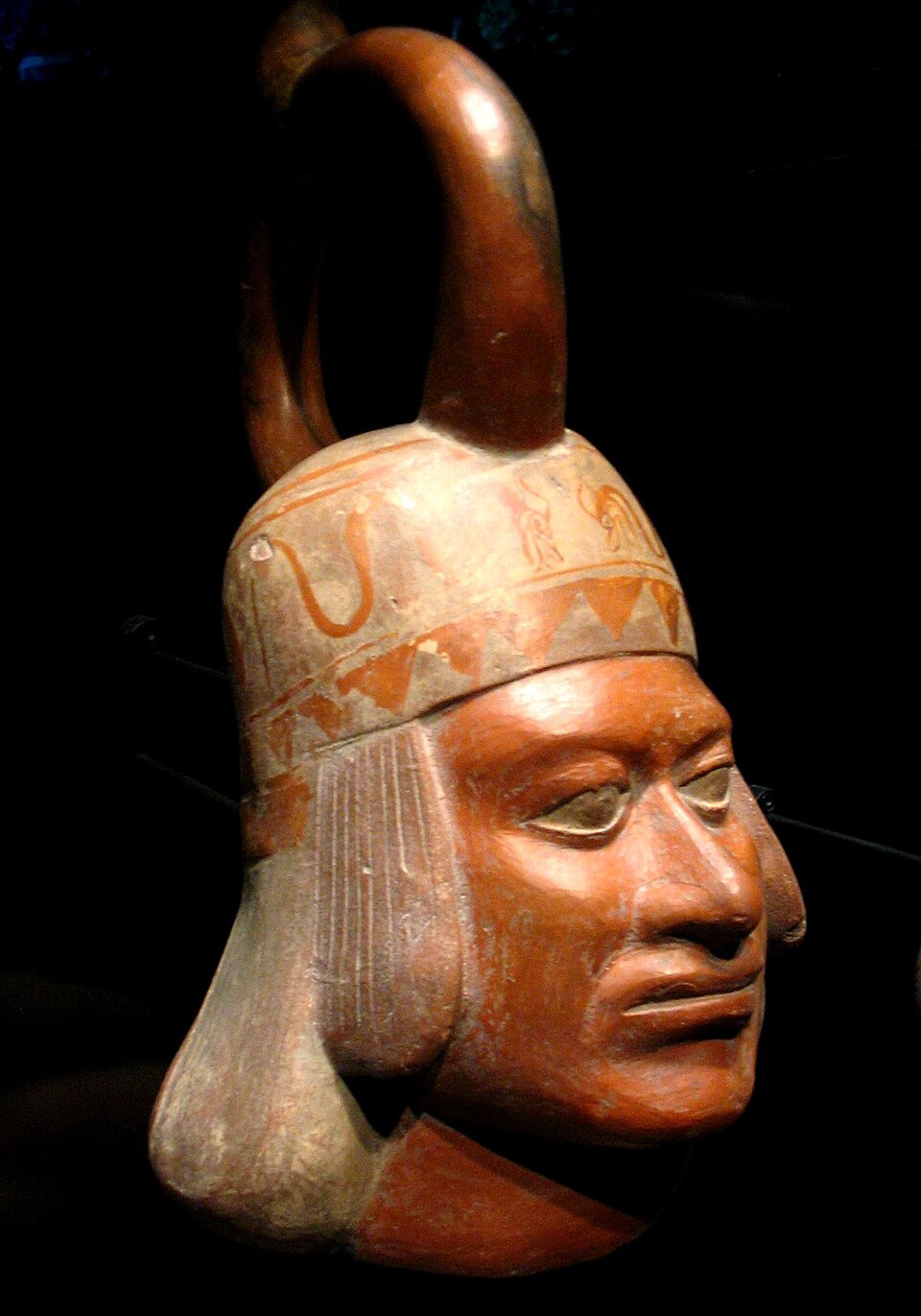
The subsequent Nazca and Moche cultures (c. 100 BCE–700 CE) continued this tradition of textile excellence. Nazca weavers were masters of color, dyeing camelid fibers in dozens of distinct hues using plant, mineral, and insect-based dyes — including cochineal, which produced brilliant reds. Moche potters depicted figures in elaborate woven tunics, headdresses, and loincloths, providing evidence that textiles served as markers of status, occupation, and ritual identity. In the Andes, textiles were not merely clothing — they were a primary medium of cultural expression, more valued than gold or ceramics.
Mesoamerican Weaving
In Mesoamerica, cotton was the primary textile fiber of the lowlands, while maguey (agave) fiber served highland communities. Maya weavers used the backstrap loom, a portable device anchored at one end to a post or tree and at the other to a strap around the weaver's waist. This technology, still in use today among Maya communities, allowed the production of intricately patterned cloth with remarkable efficiency. Maya painted ceramics and carved stone lintels depict elite women weaving, indicating that textile production held high social prestige.
Clothing in ancient Mesoamerica was closely tied to social rank and gender. Maya men wore the ex (loincloth) and a square mantle or pati over the shoulders, while women wore the huipil, a tunic-like garment woven in one or more panels and often decorated with brocaded or embroidered designs. Among the Zapotec and other Oaxacan cultures, similar garment types appear in tomb paintings and ceramic figures. Across Mesoamerica, featherwork — the incorporation of brilliantly colored tropical bird feathers into woven cloth — represented the pinnacle of textile luxury, reserved for rulers and ritual use.