Greek Clothing
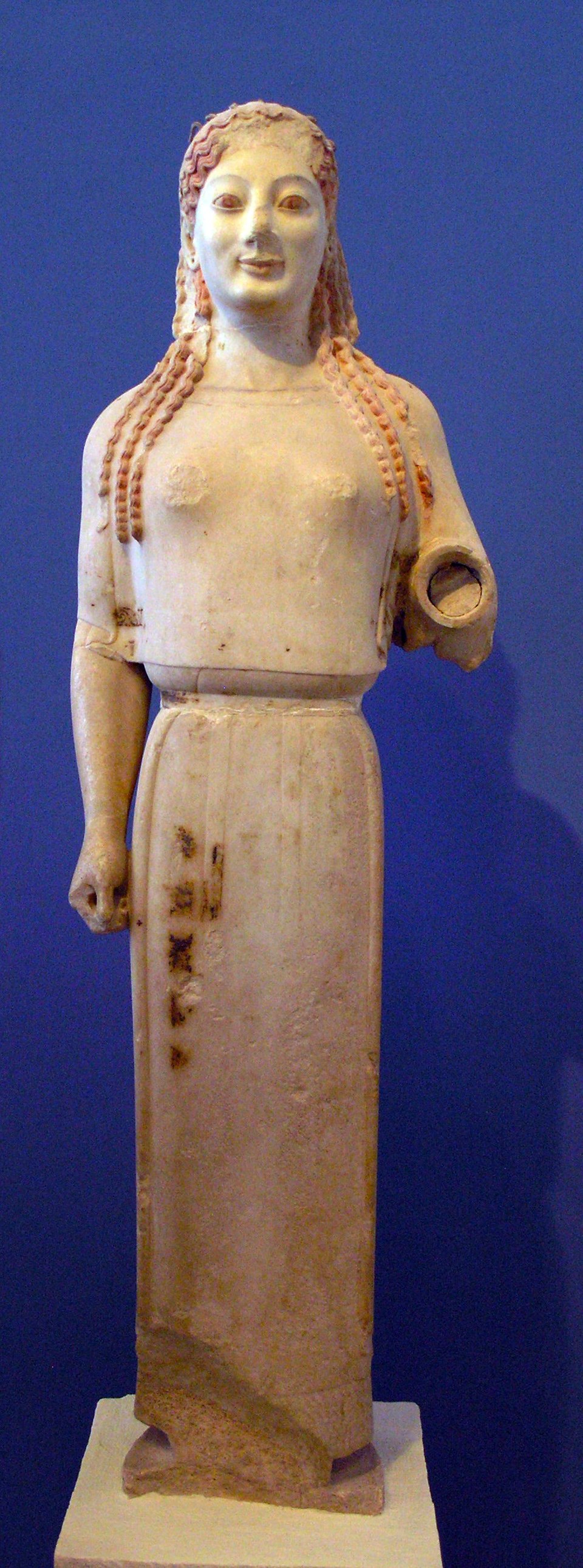
The ancient Greeks favored draped garments made from rectangular pieces of wool or linen. The chiton, a tunic-like garment pinned at the shoulders, was the foundation of both male and female dress. Over this, a himation — a large rectangular cloth — could be wrapped around the body as an outer layer. Women sometimes wore the peplos, a heavier woolen garment folded over at the top and pinned at the shoulders.
Greek clothing was typically left in its natural color or bleached white, though dyed fabrics in saffron yellow, indigo blue, and Tyrian purple were prized among the wealthy. The simplicity of the garment's construction belied the skill required to drape it elegantly — a mark of culture and refinement.
Roman Clothing
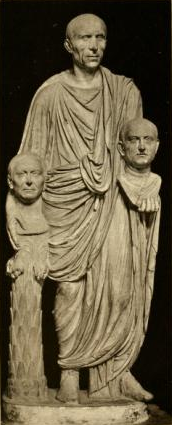
Roman dress evolved from and alongside Greek traditions. The toga, Rome's most iconic garment, was a large semicircular cloth draped over the body in prescribed folds. Only Roman citizens were permitted to wear it, making it as much a marker of legal status as of fashion. Beneath the toga, both men and women wore a tunica — a simple sewn garment similar to the Greek chiton.
Women of status wore the stola, a long draped dress, over their tunic, and might add a palla (a draped shawl) when going out. Roman clothing made greater use of color and decoration than Greek dress, with stripes, embroidery, and fabric weight indicating social rank and occupation.